History comes alive

Share this article

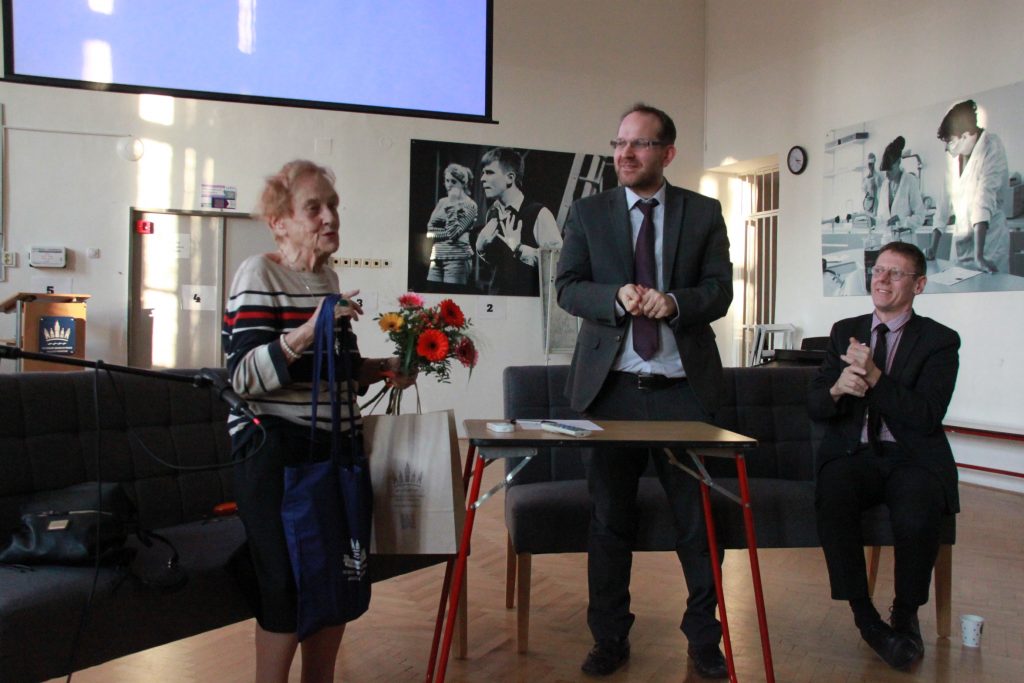
ECP students saw their history books come to life last week. They all study the horrors of the Second World War and visit Terezín to see where the Nazis held Jews, Roma and ‘political’ prisoners, many of whom were transported from there to Auschwitz. In total, more than 150,000 Jews were sent to Terezín, including 15,000 children. One of these children came into school last week. Her name is Doris Grozdanovičová.

Transported from Brno

Mrs Grozdanovičová recounted how at first, when the Germans invaded Czechoslovakia, she was happy. “We were happy because there was no school!“ But things in Brno, where she lived, soon changed and in 1942, she was rounded up with her family and transported to Terezín.

She recalled her years in the camp, where she was from 16 to 19, the age of many ECP students. Despite all the deaths and terrible conditions – around 33,000 people died in Terezín – Doris Schimmerling, as she was then, survived. She considers herself to have been very lucky. Many of the prisoners had to work in the laundry or the kitchens but she is well known for her job in Terezín where she looked after the sheep. This photo of her – the only one to come out of Terezín – shows her with them. She now has over a thousand toy sheep in her flat, which well-wishers around the world have sent to her.

Everyday Life in Terezín

She had to work from 7am to 5pm. But she managed to take a book out into the fields with her and she says that although it was hard during the winter and she suffered from frostbite, she thinks that working outdoors made her more resistent to the diseases that were endemic in the camp.

She told the students about the friendships she had with other girls in the camp and how important they had been to her. She also talked about about the secret synagogue that existed in Terezín and offered to accompany them on their school trip to the camp to show it to them.

Liberation

By the autumn of 1944, she was alone in Terezín. Her mother had already died in the camp. Her father and brother, Hanuš, had been sent on one of the last transports to Auschwitz. But just before the camp’s liberation, a Czech gendarme, Josef Urban, who worked in camp, offered to adopt her, as his own daughter had died three years earlier. The adoption never happened, but she still visits Josef Urban’s relatives today. Although their father died in Auschwitz, Hanuš survived and together, they went back to Brno. They both returned to their studies and she graduated from Masaryk University with a degree in English and Philosophy.

Life in Prague

Mrs Grozdanovičová then moved to Prague and worked as an editor with a publishing house and used her English and German translating and interpreting. She is a member of the Terezín Initiative and an executive editor of its magazine. She frequently visits schools to tell her story and we were honoured that she shared it with our students. Eye witness accounts are very important and the ECP regularly invites into school people with important stories to tell.

Her son, Jan Grozdanovič, is one of ECP’s Governors.
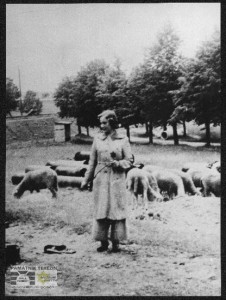
Life in Terezín was hard and Doris suffered from frostbit.
Doris tending her sheep in the Terezín Ghetto, 1943, Památník Terezín, FAPT, A 4424.


ECP welcomes 2009 graduate Michal Barabas!

Share this article

Doctor Michal Barabas graduated from the ECP in 2009.

Medicine is a popular subject with ECP students. This term, five girls from the Class of 2018 started the journey to becoming a doctor at Charles University.

Our students also study Medicine in the UK and when Michal Barabas offered to come in to speak to current students thinking about a career in medicine, we were delighted to welcome him back. He spoke about his own journey since leaving the ECP. He showed students that there is more than one route to becoming a doctor.

Doctor Barabas first studied Pharmacology at University College London. His plan was to become an academic scientist. But after graduating from UCL, he realised that he didn’t want to spend his working life in front of a bench, pipette in hand. Michal’s horizons were wider; he wanted to study diseases more broadly and their effect on people. He also realised that he wanted more human interaction than is usually available to scientists.

Cambridge University

So he took a rather less well-known route to becoming a doctor. He returned to university, to Cambridge, to study for a post-graduate degree in Medicine. This route is open not only to science graduates, but also to those whose first degree is in a very different discipline. Michal trained with someone who had studied French and Spanish for their first degree. It is a more intensive four-year course, but not so intensive that he didn’t find time to indulge his passion for ice hockey. He played for Cambridge, taking part in the traditional Varsity match against Oxford University.

Training as a Hospital Doctor

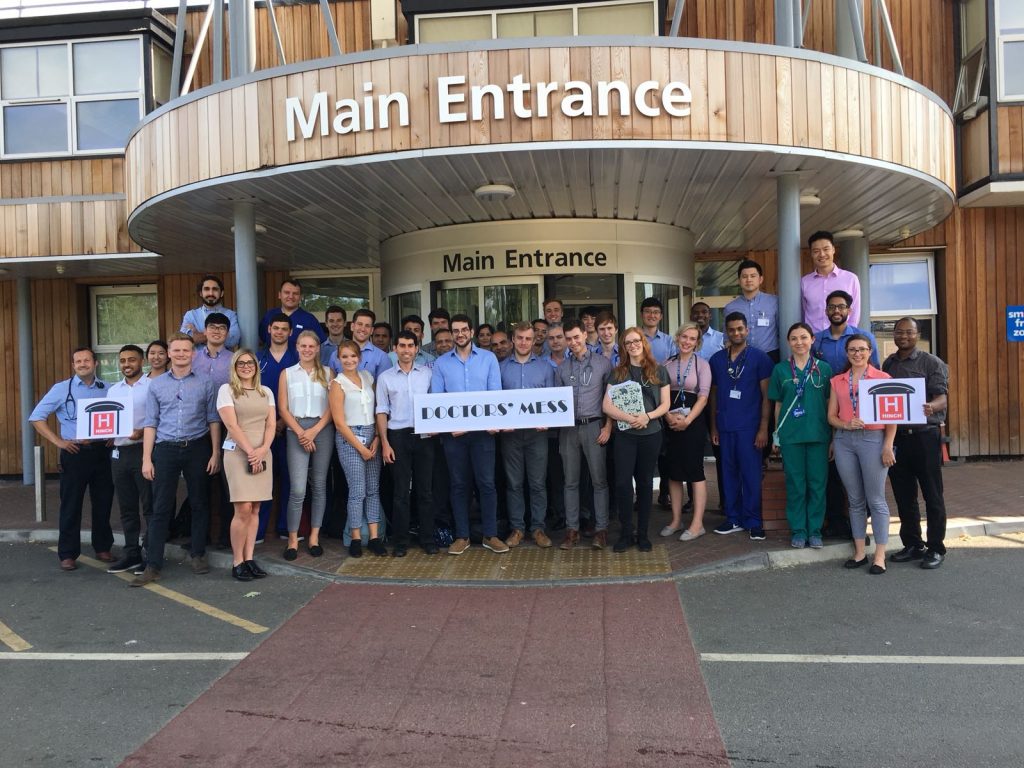
Now a qualified doctor, Michal has now just taken up his first appointment as a Foundation Doctor. He is working at Hinchingbrooke Hospital in Huntingdon, just outside Cambridge.

Current students heard Michal talk about how his next few years as a doctor in training will be. He will be rotating around the various specialties in a busy general hospital. This is so he can get experience of all the options open to him. At the moment, he is working in the medical short stay unit. This is suitable for patients who are expected to stay in hosptal for a shorter period of time. They may have contracted pneumonia, sepsis or need further investigations into their symptoms.

Medicine has something for everyone

Medicine has many faces so every single personality is catered for ranging from pathology, radiology through internal medicine to specialties dealing with complex surgery such as neurosurgery or maxillofacial surgery. In the UK, these include specialties less common in the Czech Republic such as palliative care, which deals with the management of symptoms patients experience as they approach the end of their lives.

A Day in the Life of a Foundation Doctor

Michal described a typical day on the unit. It begins with the ward round, led by a senior doctor. They will see each patient on the ward and decide on their treatment plans for the day. It is then the job of junior doctors like Michal to ensure that the plans are carried out. This might involve arranging new drug regimes, performing special blood tests or procedures such as a lumbar puncture or arranging more complex imagining such as magnetic resonance, CT or ultrasound.

His working week is a manageable 40 hours although like all other doctors, he says that NHS staff tare stretched to cope with the growing demand. He regularly has to work an extra hour or two to complete his patients’ plans. And not all those hours are 9-5 as patients are ill 24 hours a day. When Michal works overnight, he is responsible for five wards, each caring for around 50 patients. It is to Michal that the on-duty nurses will bring their concerns about their patients.

Michal answered students’ questions. He generously said that he would be happy for them to email him as they continue to contemplate a career in medicine.

Memories of the English College

One interesting question was ‘why did you chose to study Pharmacology at university?’ Michal said: “I enjoyed my Chemistry lessons with Mr Emmerson and my Biology lessons with Ms Kerr so I knew I wanted to study a scientific subject. Mr Emmerson and Ms Kerr were obviously very pleased to hear that Michal is now a doctor, helping to heal sick people.

And what did Michal have to say about his first visit back to his old school? “It was great to be back after so long and to get to meet my former teachers. A lot was the same as I remembered it – the friendly, family atmosphere, the thoughtful students and the committed teachers.”
Impressive Laboratories

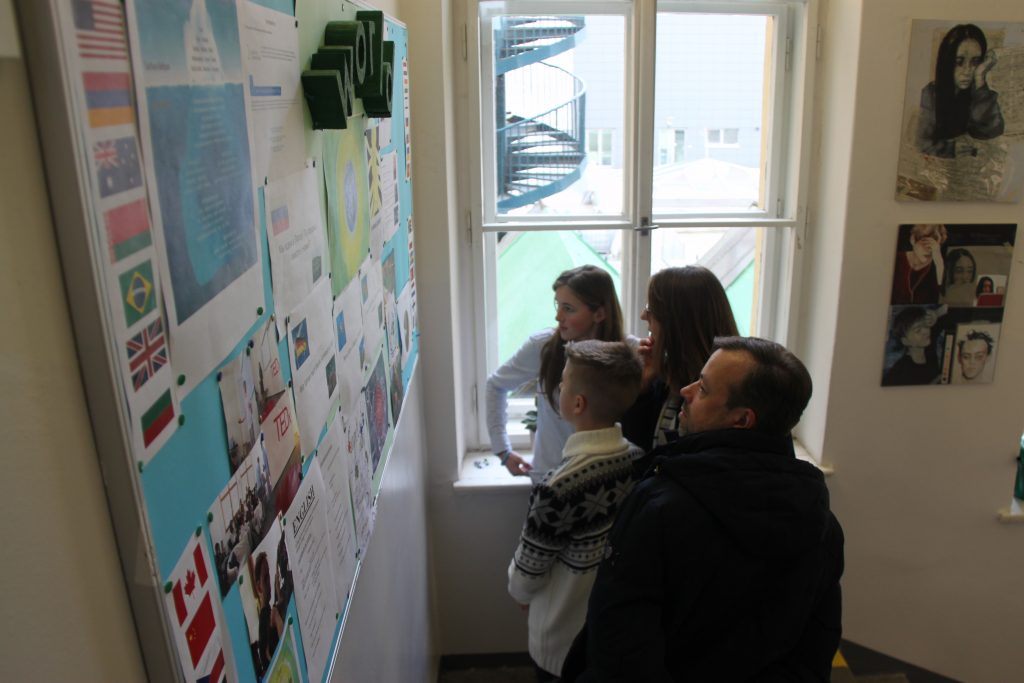
“But a lot has changed as well – the revamped refectory and especially the new laboratories. They are very impressive and almost approach the standard of those I got to experience in the pharmaceutical industry. Current ECP students are very privileged to be able to use them and I am certain that they will help to inspire many students to pursue science or medicine at university, just like they did in my case.”
ECP Remembers

Share this article

ECP on Remembrance Sunday

Remembrance Sunday

Remembrance Sunday is an important day in the ECP calendar. This is because students represent the school at the annual Remembrance Day ceremony at the Commonwealth War Cemetery at Olšany.

Royal British Legion Poppy Appeal

All last week, we had been remembering those who had died, not only in WWI but also WWII and subsequent conflicts around the world. This now includes Aghanistan, where soldiers from both the UK and the Czech Republic have recently died. Remembrance Week is about remembering those who died, their families and their sacrifice. Linda Novobilská and Alexandra Brízová led the assemblies in school, explaining why this week is so special in the UK. The Royal British Legion organises one of the biggest charity collections in the country. Volunteers sell the red paper poppies to raise money to help ex-servicemen and women and their families.

Flanders Fields

The red poppy is the emblem of the charity that helps ex-servicemen because it was the first flower that grew back in the fields of northern France and Belgium after WWI. A factory was opened in south London in 1922 and wounded ex-servicemen worked there, making the poppies. Every year, volunteers sell around 36 million poppies up and down the UK. They stand on street corners, outside shops and railway stations, with their collecting tins and trays of poppies.

ECP representatives

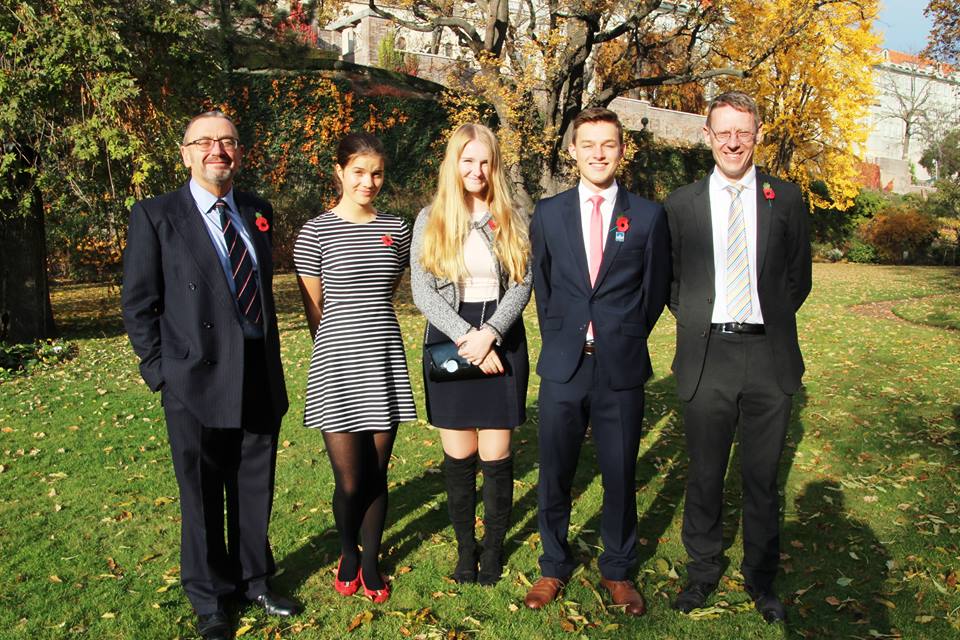
Then on Sunday, Student Council President, Michael Best, joined Linda and Alexandra. With the help of other Student Council members, Michael had organised the sale of poppies around school. Also attending the ceremony were Dr and Mrs Brown, Mr Straughan, who served in the Royal Navy, and Ms Hearn, whose Czech father had been a member of the 311 Squadron of Czech pilots in the RAF during WWII. A ceremony just like the one they attended here in Prague takes place in every city, town and village in the UK, commemorating those from the area who went off to fight and who never came back.

100th anniversary

This year’s ceremony was, of course, particularly special because 2018 marks the 100th anniversary of the end of the First World War. It was a war that claimed the lives of 16 million people. The date and time of the ceremony was significant: the eleventh hour of the eleventh month reminded us that it was on that day in 1918 that the guns finally fell silent. During the ceremony, Linda, Alexandra and Michael helped members of the 1st Prague Cubs and Scouts to lay religious symbols on the graves of those who had died in the service of their country. They paused briefly by each grave as they did so, to remember the son, husband and father who was buried there. Some of them were not much older than our students when they died.

Invitation from the British Ambassador

After the ceremony, they all went back to the British Embassy for the traditional curry lunch. They were able to see the splendid Thun Palace, with amazing views over Prague, as well as sample the tasty dishes prepared by the Ambassador’s chef.

ECP’s Lime Tree of Freedom

Share this article

Lime Tree

Celebrating ECP’s Lime Tree of Freedom

Last Saturday was National Tree Day. As part of this year’s Theme of the Year – the Natural World – we have been researching our own special tree, the Lime Tree of Freedom, whose 90th anniversary is next Saturday.

Founding of Czechoslovakia

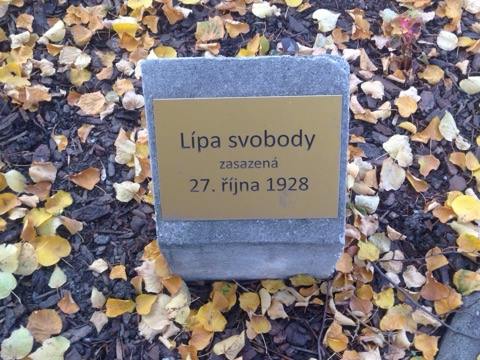
A plaque at the base of the tree shows that it was planted on 27 October 1928 to mark the 10th anniversary of the founding of Czechoslovakia. But not many people know that it was one of a symbolic 1,918 similar lime trees planted throughout the republic.

Planted in October 1928

Students at the school that occupied our building in 1928 planted our own Lime Tree of Freedom. They were joined by representatives of Vysočany Town Hall, on the eve of the tenth anniversary of the founding of the Republic.

It was also nearly the tenth anniversary of the end of World War I. During Remembrance Week next month, we will remember this important anniversary.

Its official name is Lípa svobody ve Vysočanech and we think that it is around 85 years old. When we last measured it, in 2015, its circumference was 187cm.

In 2012, Governors planted another new, complementary lime sapling in the car park. Beneath its roots was a time capsule. We hoped that those who come after us would learn something about the school and its students.

Green Heart of the ECP

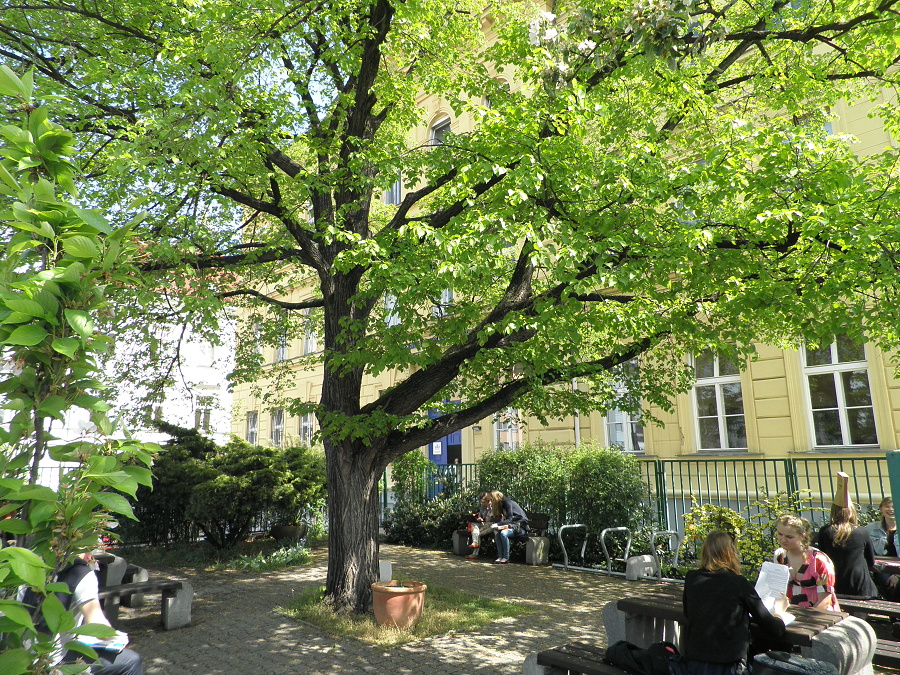
Since the English College in Prague opened in September 1994, our lime tree has been the green heart of the school garden. It is now the site of the barbecue on the day that Years 4 and 6 go off on study leave before their exams.

We are proud that we are part of a country-wide network of lime trees. Students over the years have enjoyed eating their lunch, sitting under the dappled shade of its branches.

ECP Quiz Masters

Share this article

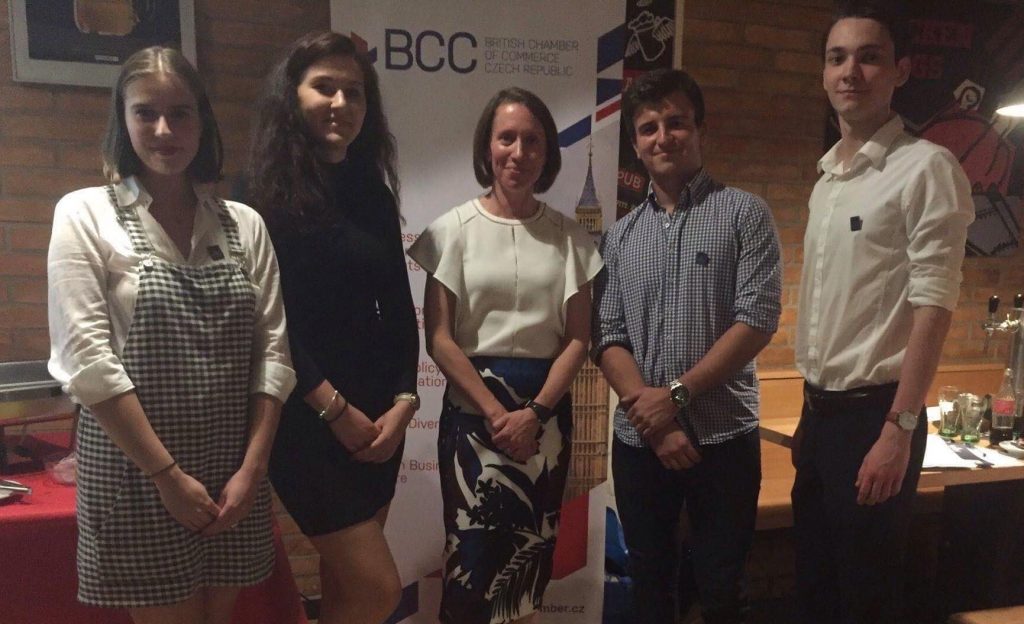
ECP teamed up with the British Chamber of Commerce here in Prague

Marcela Černochová, Managing Director of the BCC, had asked us to organise a pub quiz for their members. Pub quizzes are very popular in the UK and teams regularly compete against each other, answering questions on a wide range of subjects.

Our intrepid Year 6 quiz masters – all over 18! – hosted the evening in the convivial atmosphere of The Pub on Halkova Street. Eight teams competed for the top prize of, what else, packs of great Czech beer! Companies and organisations represented in the quiz included the British Embassy and HSBC. They answered questions on art & literature, entertainment, food & drink, general knowledge, history, science and sport.

Undaunted by such a blue chip audience, our students hosted the whole evening with confidence, charm and wit. It was great to hear all the positive comments from BCC members afterwards who were very impressed by Team ECP’s performance and their ability to put on such a professional event. Well done, everyone, on a brilliant job!

Taking part in the quiz was the new Deputy Ambassador, Lucy Hughes, who only joined the British Embassy in August, but is already feeling at home in Prague. She made a point of coming up to the stage afterwards to speak to the students personally to congratulate them. She was also kind enough to tweet a photo of them all together. Here they are, left to right, Adéla Černá, Sara Thiry, Lucy Hughes, Jakub Müller and Nikita Dyatlov.

Oxford comes to the ECP

Share this article

Oxford comes to the ECP

ECP graduate, Greg Buczkó, came back into school recently to take part in an informal briefing session for current students who are interested in applying to Oxford and Cambridge universities this autumn. Greg graduated in 2017 and has completed his first year at Oxford where he is studying Economics & Management.

Joining Greg was Mark Revan Rangotis who is just about to start his degree course in Biomedical Sciences, also at Oxford. He was pleased that Greg will be on hand to offer him friendly advice and support when he arrives in the city of dreaming spires!

Greg and Mark were keen to encourage this year’s aspiring Oxbridge candidates to apply for the world’s number 1 university. They talked enthusiastically about studying at Oxford. Although students there undoubtedly have to work hard, they also make sure that they play hard as well. What all students at Oxford or Cambridge have in common is a passion for their subject. They are determined to make the most of the amazing opportunity they have earned.

Support

ECP prides itself on its ability to support and nurture students who aspire to study at Oxford or Cambridge. The school provides advice on how to apply and what to expect when they go for interview. We also organise annual work experience placements with top companies and organisations in both Prague and London. These include Deloitte, Chatham House, the Institute of Linguistics and the Independent newspaper. This provides valuable experience that can give candidates the edge when it comes to successfully securing the offer of an Oxbridge place. ECP’s record is impressive. Ten students were offered places at Oxford or Cambridge in the past five years.

Greg and Mark were really impressed with the transformation of the refectory into a relaxing, stylish, dining area, with a café-like atmosphere. This is just one of several improvements to the appearance of the College that took place over the summer holidays.

ECP graduates heading off to top universities

Share this article

University Destinations – ECP graduates heading off to top universities

2018 has been another successful year. ECP graduates are heading off to top universities in the UK, Europe and North America including the University of Oxford. A total of 69 ECP graduates have secured places at some of the world’s most prestigious universities.

82% of those students going on to university this year have achieved their first choice of university. 

A total of 91% will be going to their first or second choice.

Oxbridge

Mark Revan Rangotis will be taking up a place to read Biomedical Sciences at Oxford. He will be joining 2017 graduate, Greg Buczko, who is about to start his second year there, reading Economics and Management.

Russell Group Universities

Five students are off to University College London (UCL). They will be studying subjects as diverse as Computer Science, Geography, Linguistics and Medicinal Chemistry.

UCL is ranked third in the UK after Oxford and Cambridge.

UCL is one of the twenty four members of the elite Russell Group, often referred to as the ‘Premier League’ of UK universities. Others off to Russell Group universities include:

  • three graduates who will be studying at Kings College London,
  • four students to Queen Mary University London,
  • other students taking up places at Durham, Edinburgh, Exeter, Manchester, Warwick and York.

University of St Andrews

In addition, two students will be going to Scotland, to the University of St Andrews, where Prince William studied Art History, to read Biochemistry and Computer Science.

The Netherlands

But not all our graduates are heading to the UK. Other universities on the list include Amsterdam and Delft in The Netherlands.

The Czech Republic

Other destinations include ČVUT, VŠE and five students will be studying Medicine at Charles University.

The English College prides itself on offering a first-class education to help our students develop into well-rounded individuals, capable of adapting to life after school and going on to have successful and happy lives and careers. When it comes to where and what to study at university, the aim is to give them the widest possible choice. So we are very proud of the Class of 2018’s results and of the Upper School Team and all the teachers whose support helped our students to achieve them.

ECP’s SMILE Exhibition at the Chamber of Deputies

Share this article

ECP’s SMILE Exhibition

Chamber of Deputies

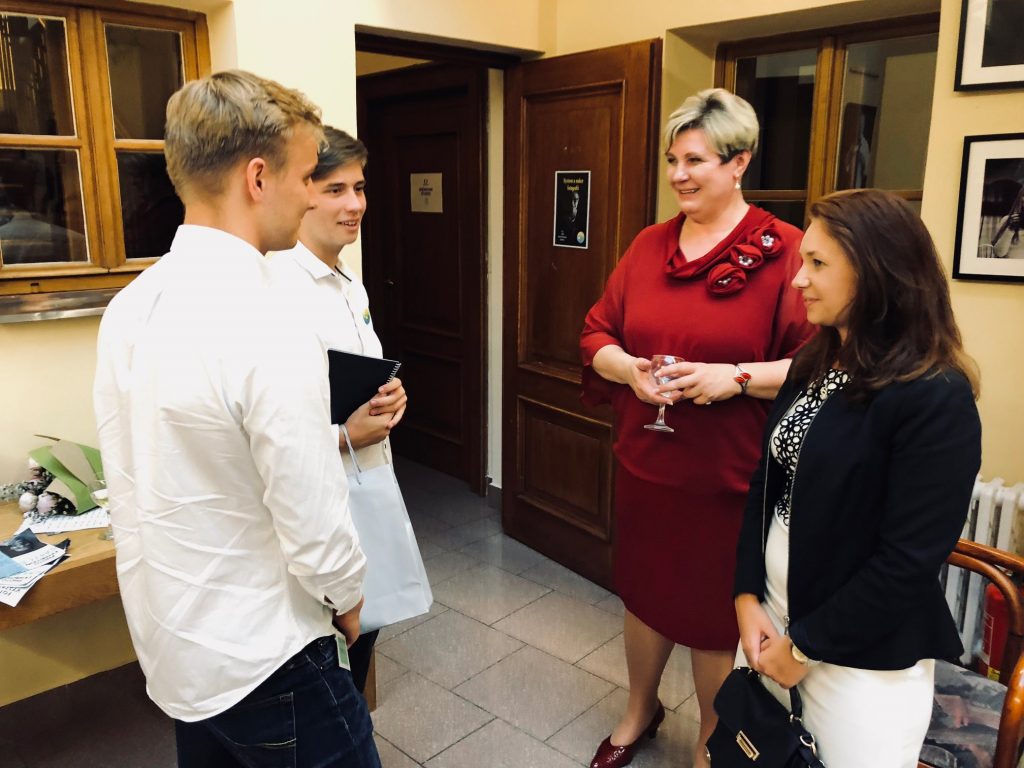
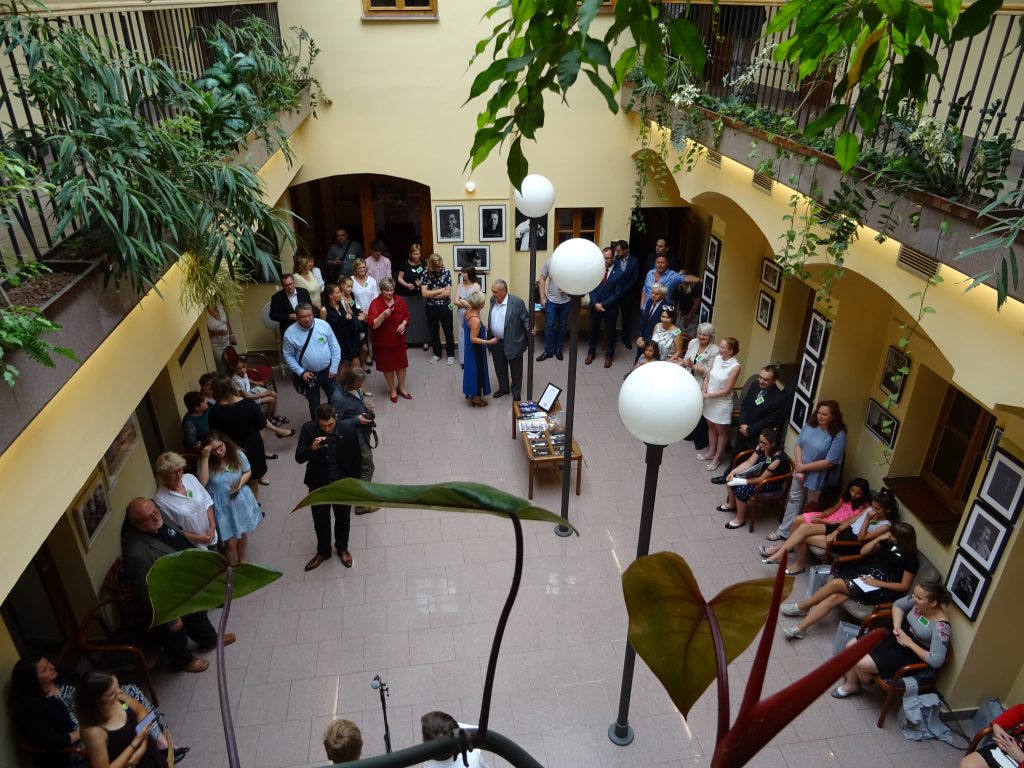
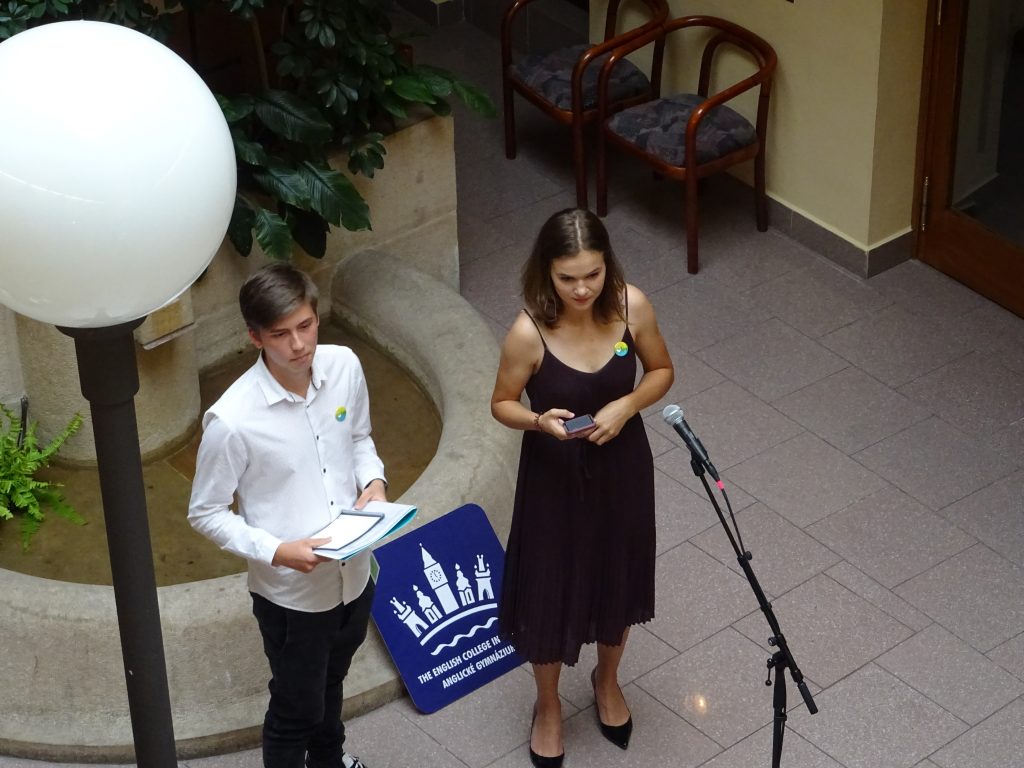
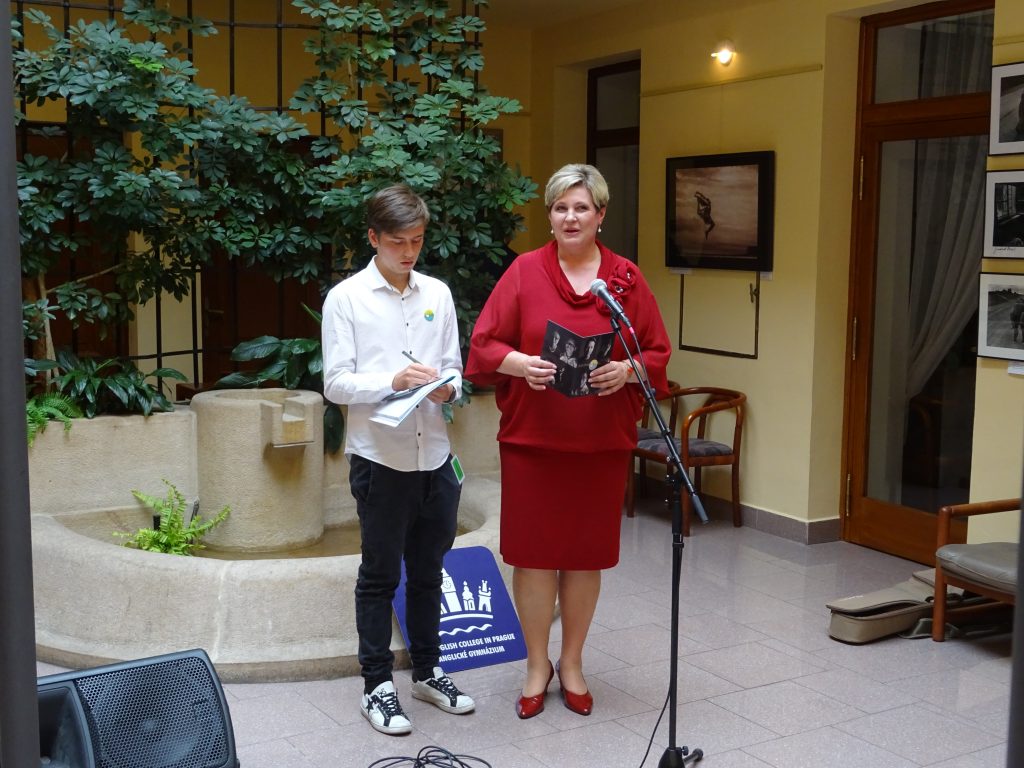
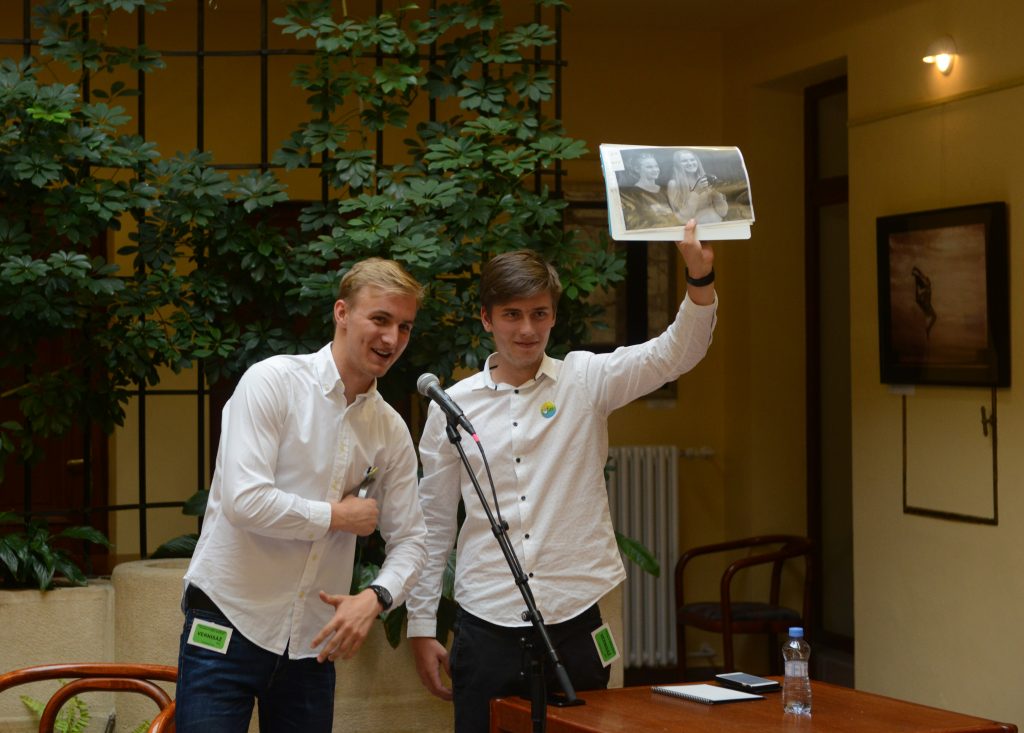
The Chamber of Deputies of the Czech Parliament was host to the English College in Prague earlier this week. After the successful SMILE exhibition of photographs at the Champagneria wine bar, Natálie Nováková and her team has taken the exhibition to an even more prestigious venue, the Chamber of Deputies.

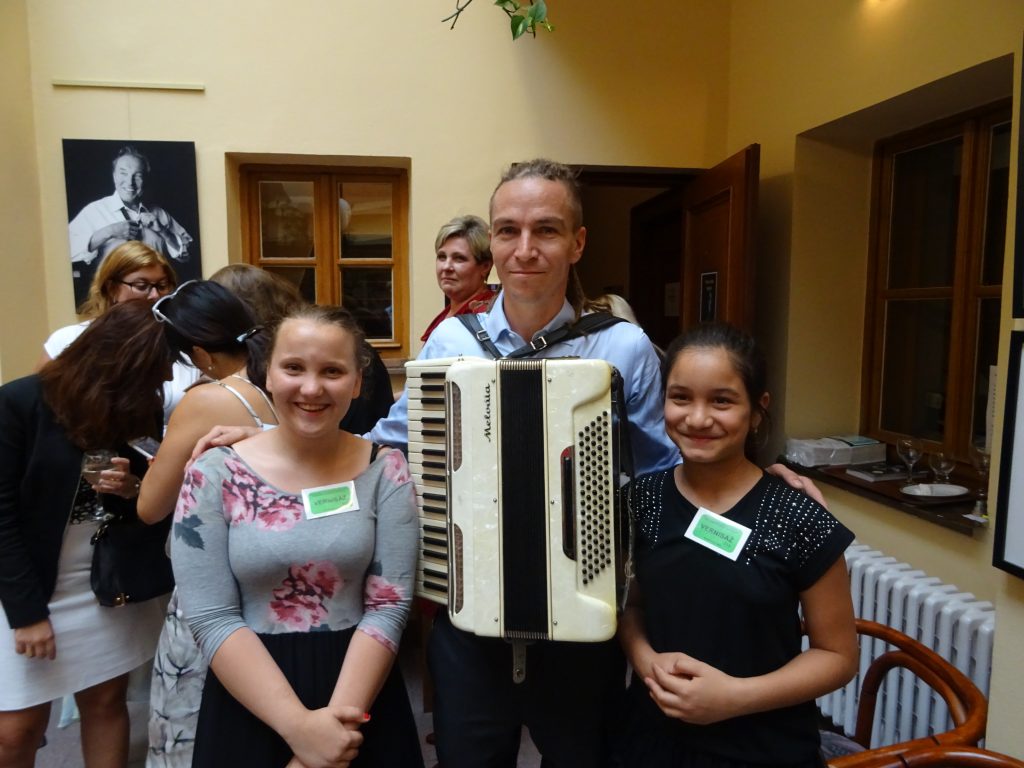
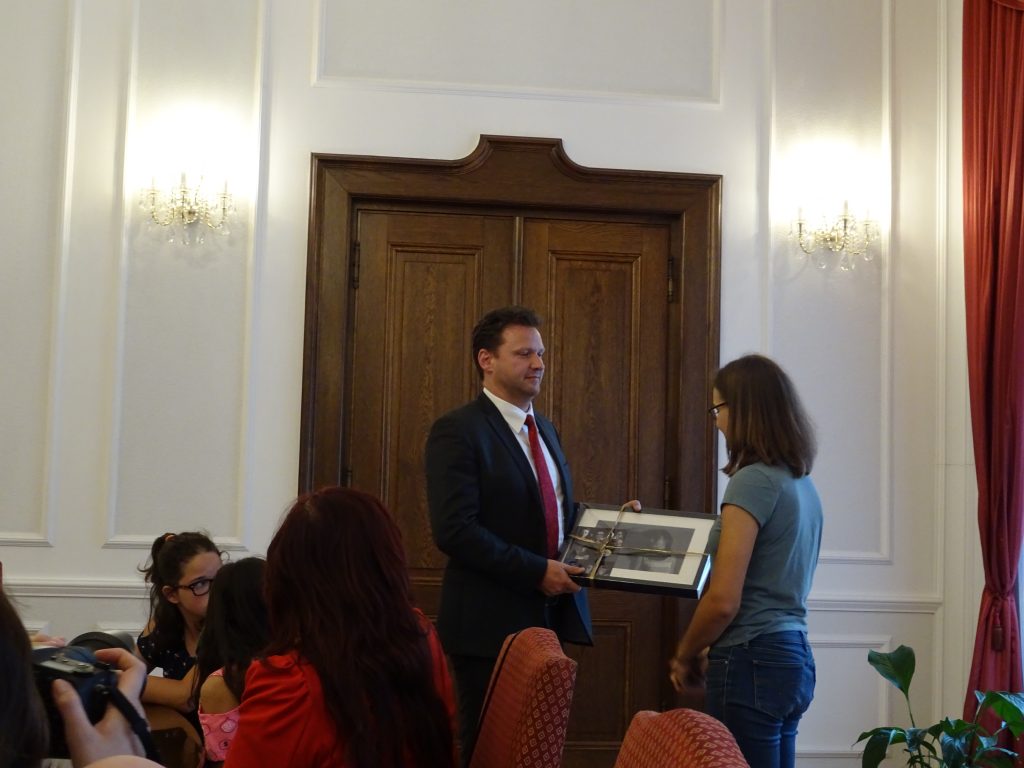
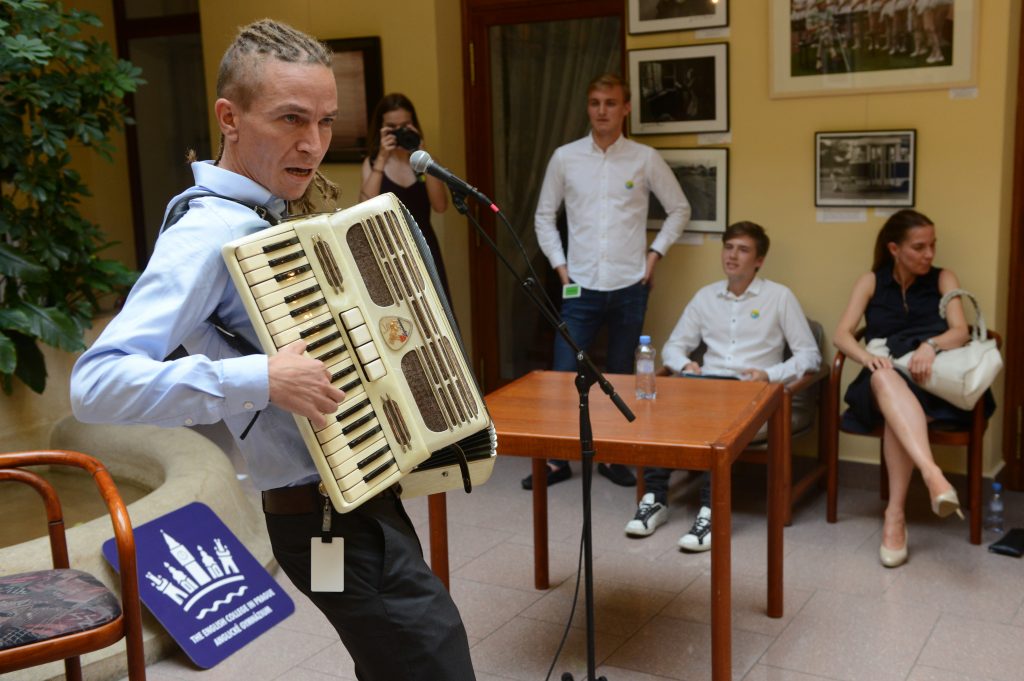
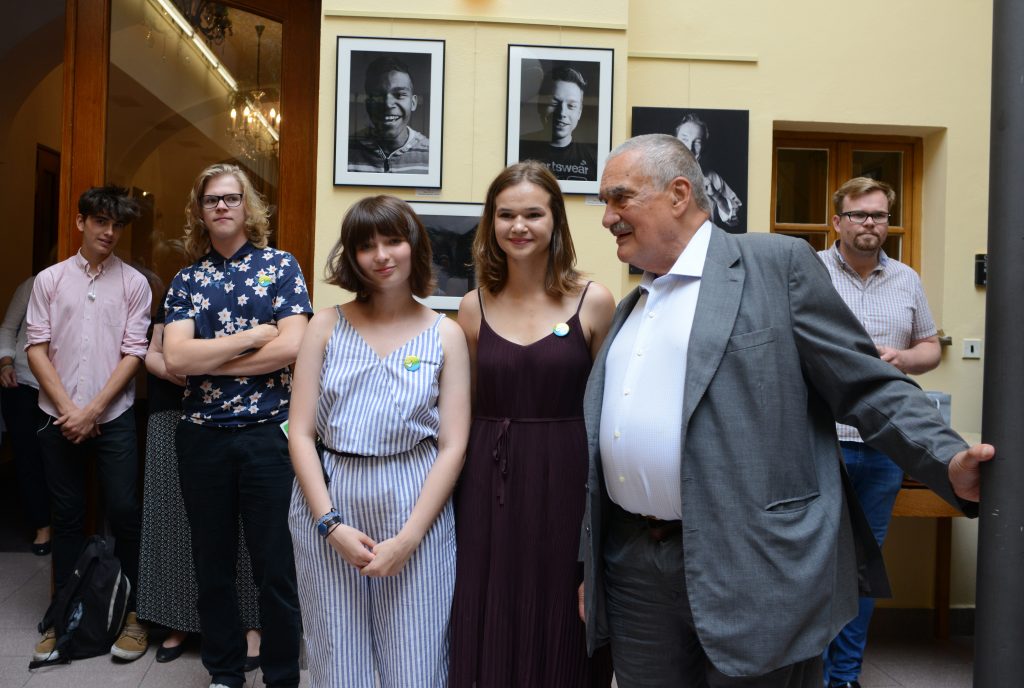
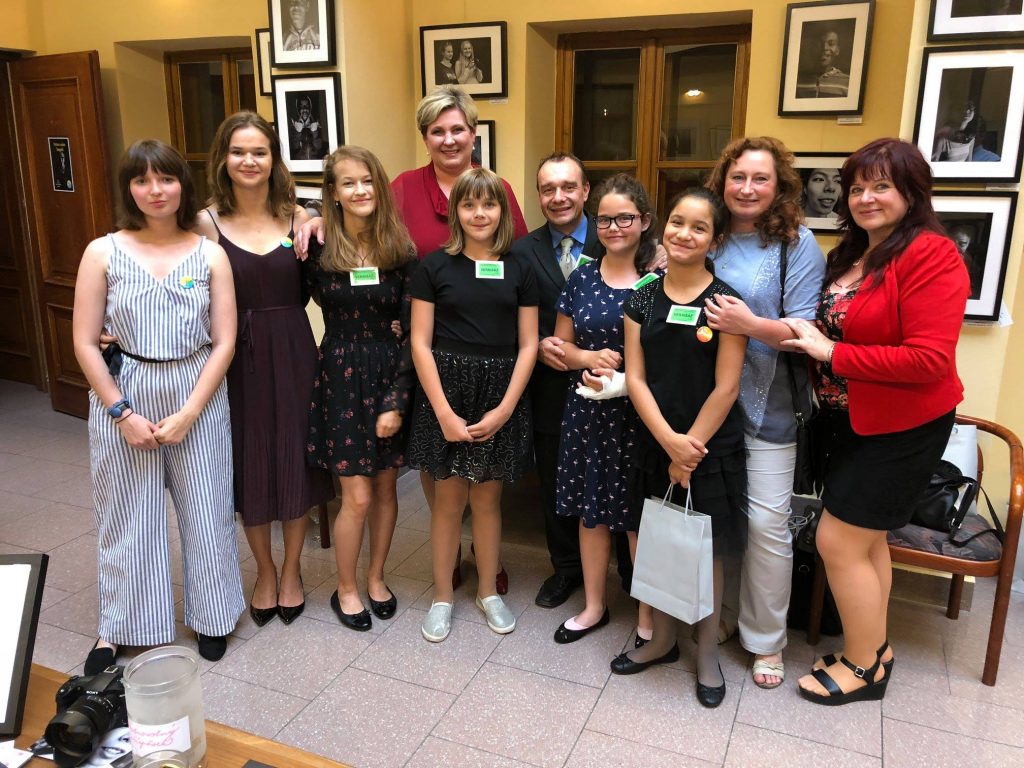
The exhibition opening was a very special evening, particularly for the children from the home in Dolní Počernice who are at the heart of the exhibition. They were able to meet the Chairman of the Chamber, Mr Radek Vondráček. They also saw the Chamber itself and best of all, they enjoyed a tasty dinner of schnitzel and chips! Guests were entertained by some delightful musical performances and were able to buy the impressive photographs to raise money for educational projects at the children’s home. The ECP Smile team has raised total of 64 000 CZK. The proceeds will be used for educational projects of children from the children’s home in Dolní Počernice.

Respected Czech Artists

All the photographs in the exhibition were taken by the children themselves or by many well-known Czech artists. Václav Havel, Princess Diana and Karel Gott were amongst the famous faces portrayed in the photographs.

Our grateful thanks go to Věra Kovářová and all the Deputies who supported us, especially to ECP’s Czech Patron, Mr Karel Schwarzenberg who attended the exhibition. We are also very grateful to those who generously donated their work: Jindřich Štreit / Robert Vano / Markéta Luskačová / Petr Ulrych / Jaroslav Kučera / Ondřej Němec / the late Oldřich Škácha / Michal Čížek / Lenka Hatašová / Kurt Gebauer / Barbora Biňovcová / Jakub Ludvík / David W Černý / Marek Musil / Martin Divíšek / Petr Strbačka / Martin Fjo Vítek / Pavel Ovsík / Ondřej Šik / Petr Kovář.

Online auction continues here.

You can look at more photos here and a video here.

Patrons

Thanks too, to the Patrons of the SMILE project: Karel Schwarzenberg, Michael Žantovský, Věra Kovářová and Nigel Brown.

The exhibition will be open till June 29, 2018.

We look forward to holding the event again next year.

Open Day at the ECP

Share this article

Open Day at ECP

Open Day at the ECP

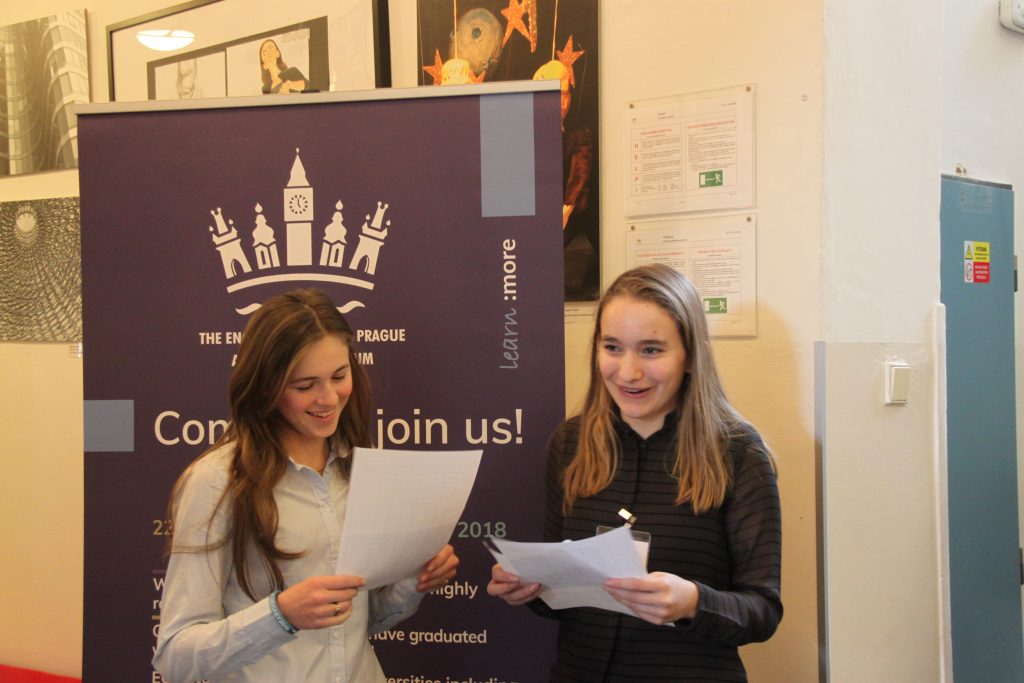
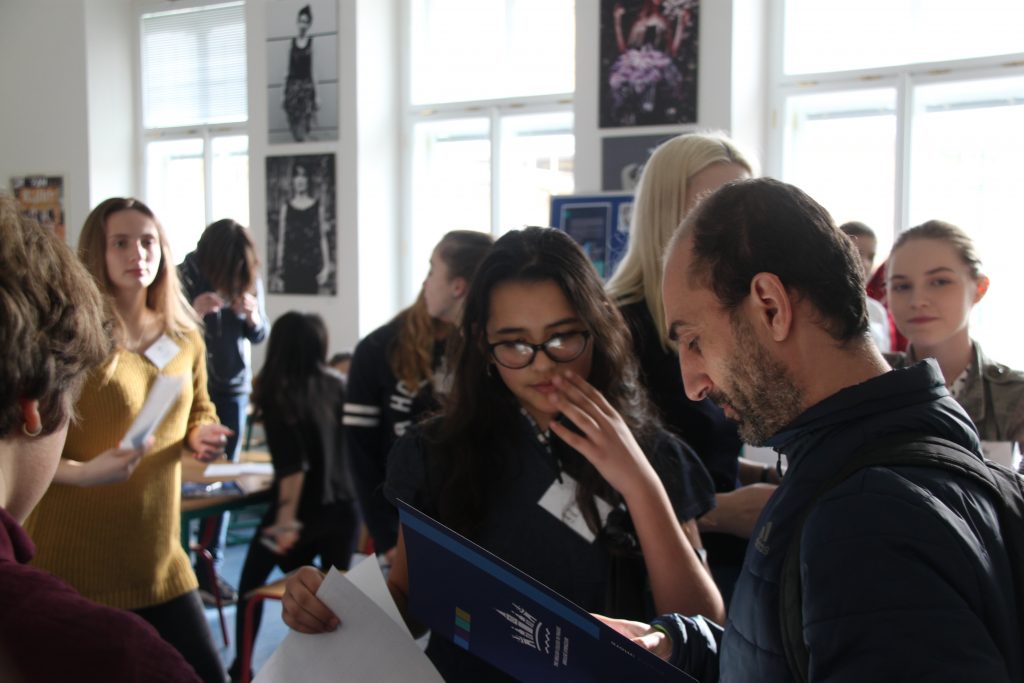
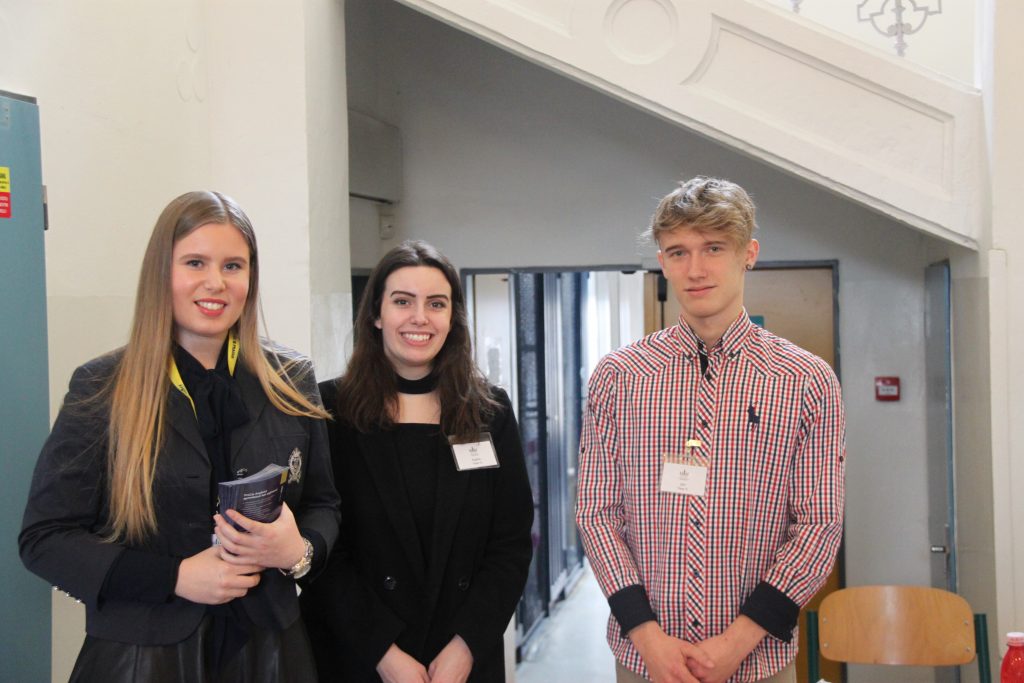
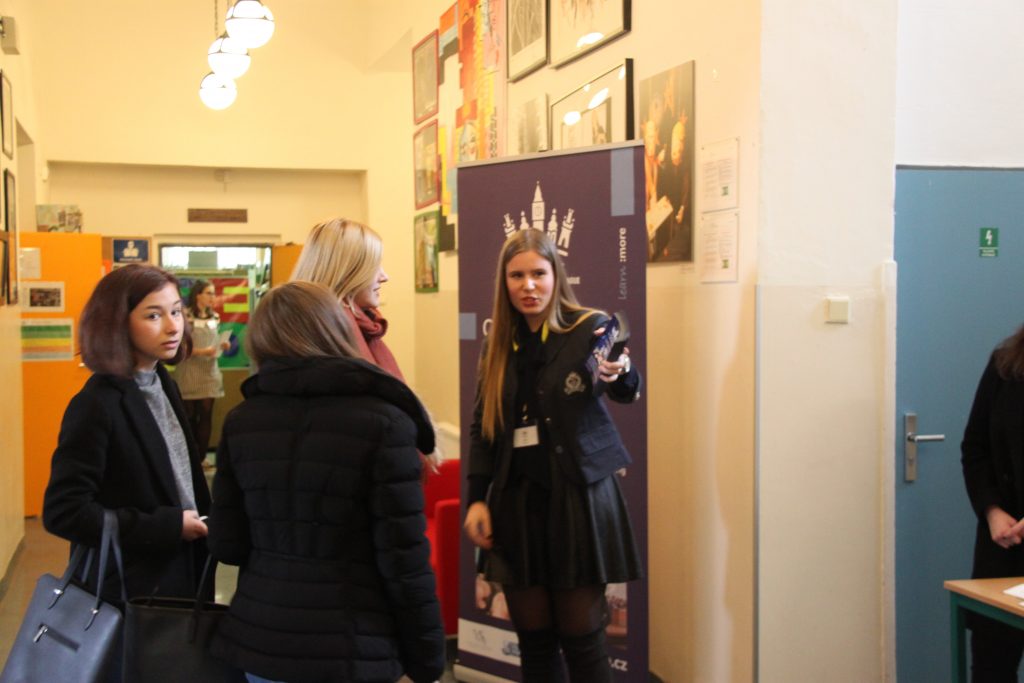
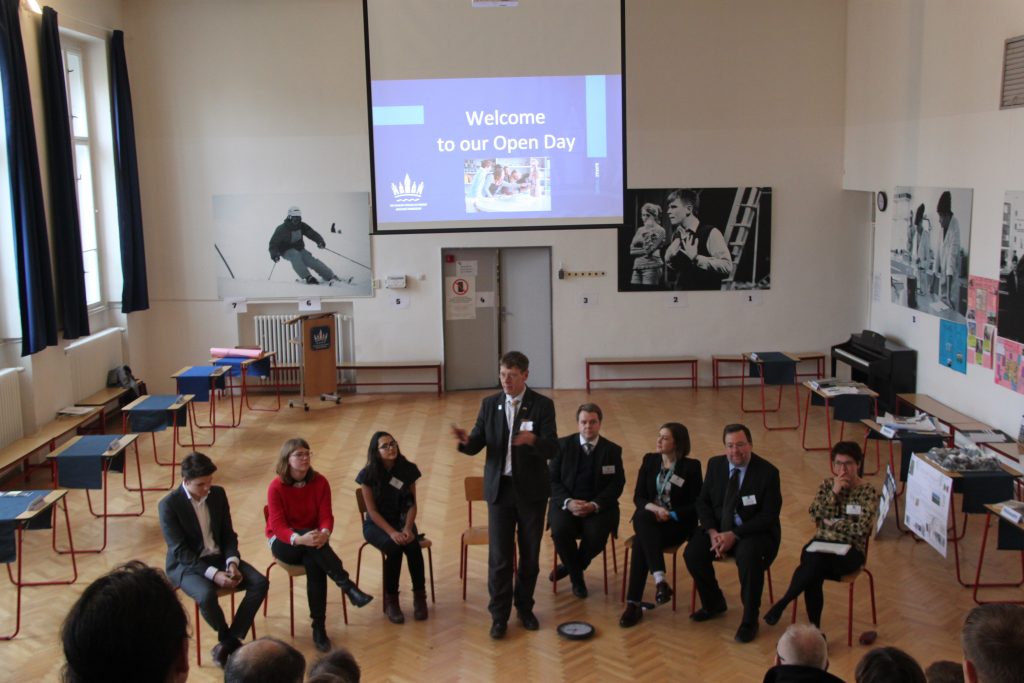
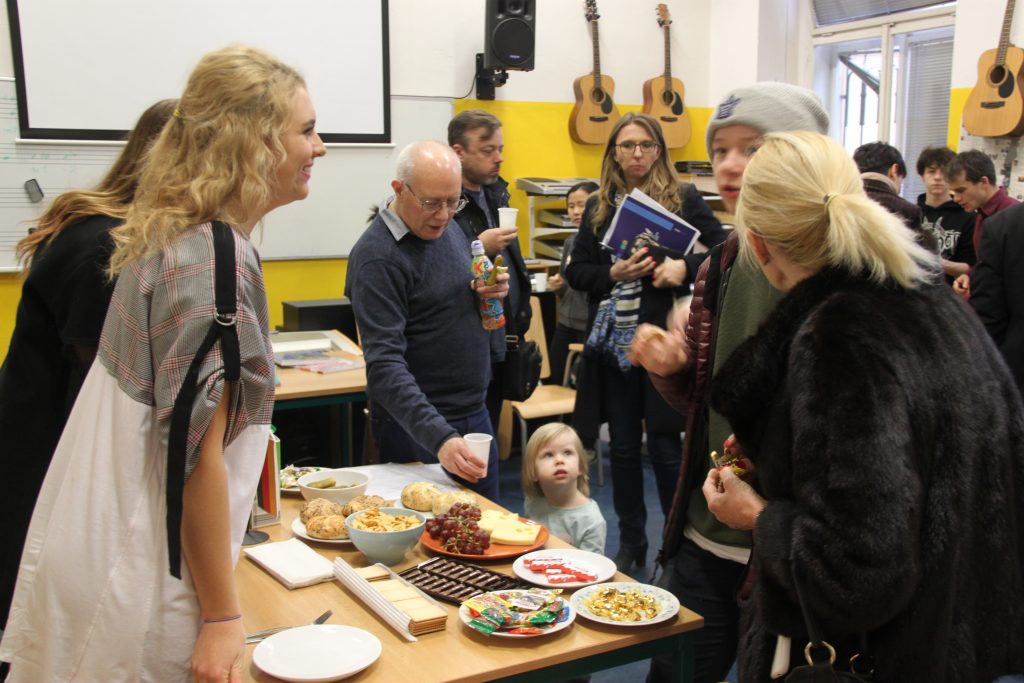
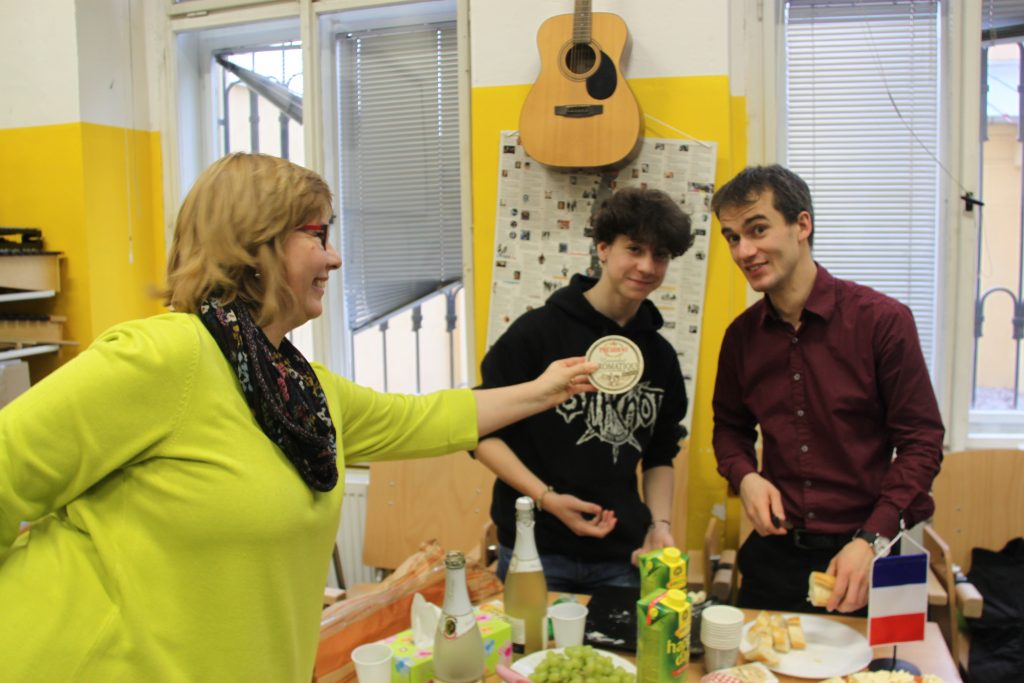
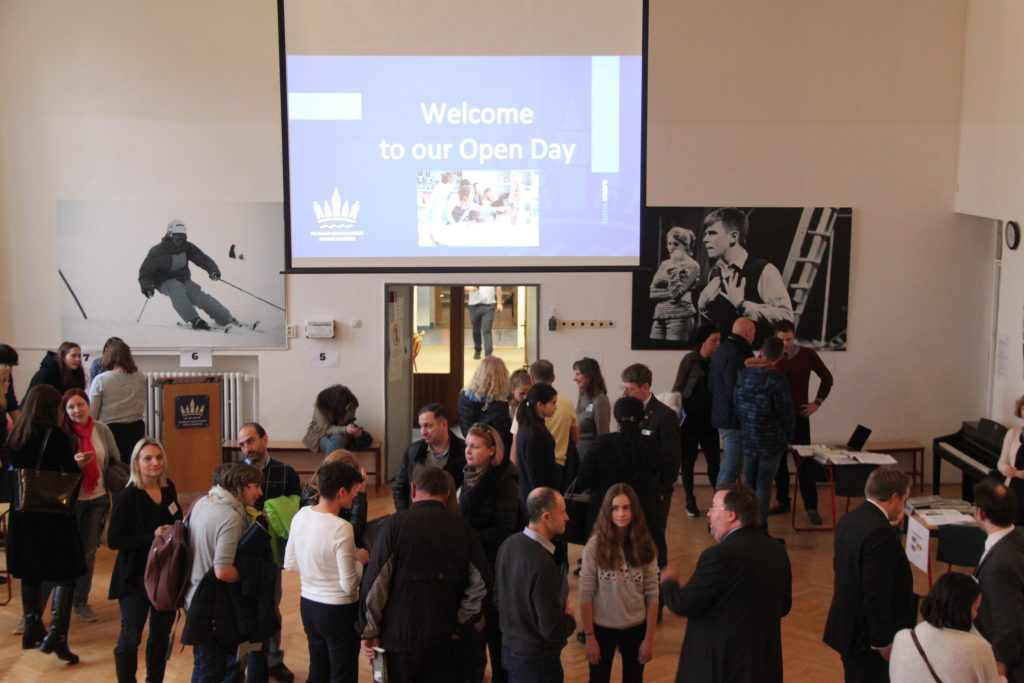
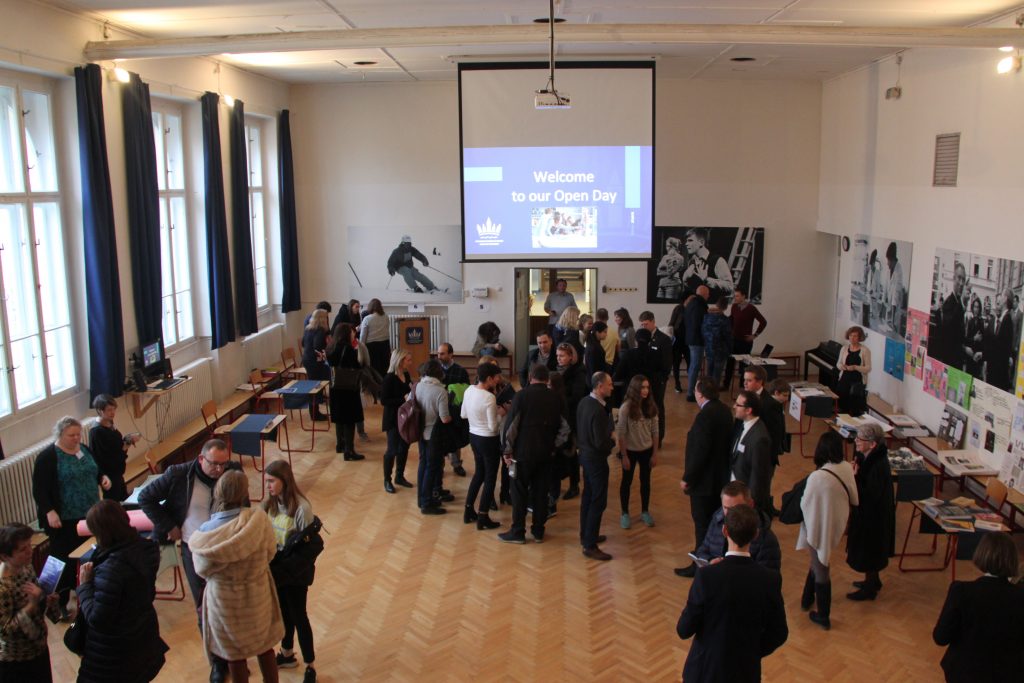
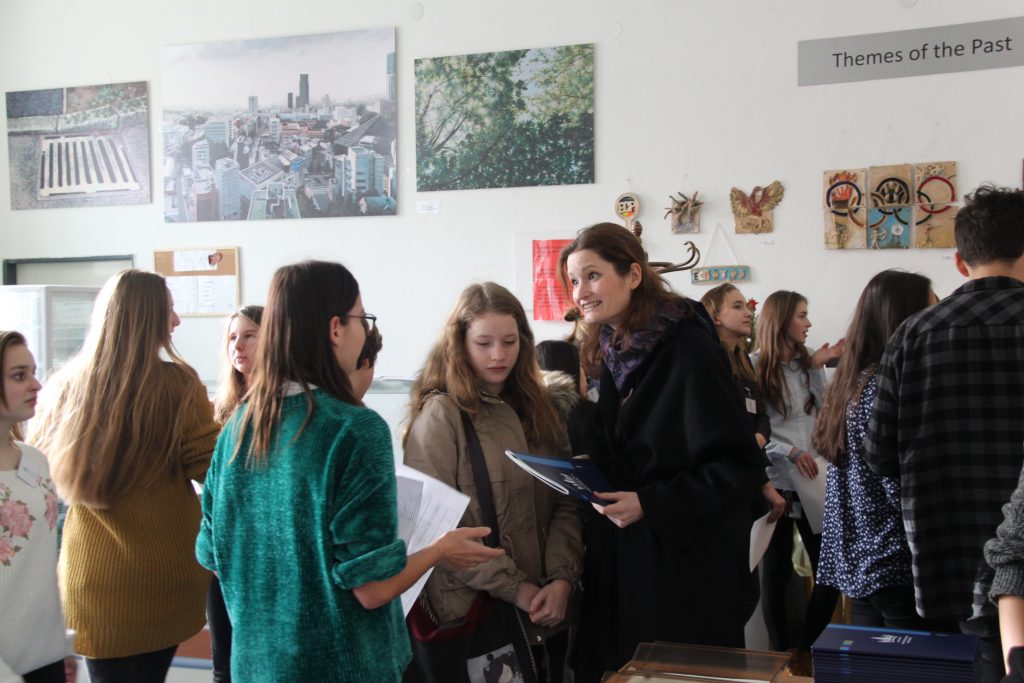
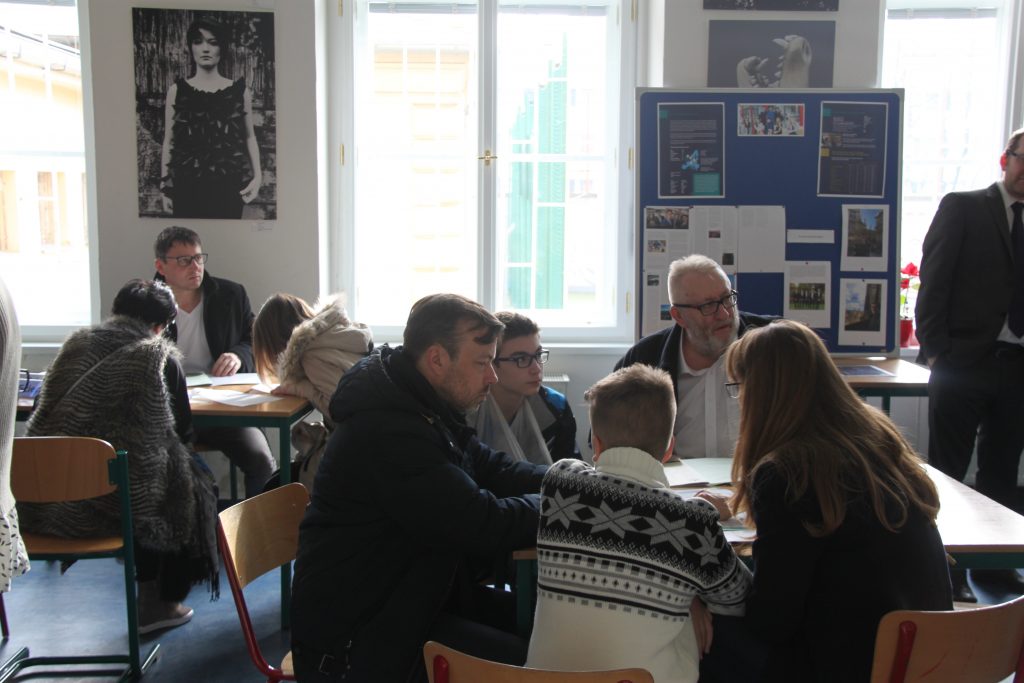
Congratulations to ECP students and staff on another successful Open Day. There was steady stream of prospective students and their parents through the doors of the English College. Our current students took visitors on a tour of the school’s facilities. One parent said: “We had an excellent tour by a Year 2 student and were amazed at her confidence, enthusiasm and level of English.”

A highlight of the tour was the state-of-the-art Science laboratories, described by a PhD student as better than the labs at Charles University! Another was the new Drama Studio where students perform and direct their own productions in front of a live audience.

Our visitors were also able to join ECP students in their normal lessons to see how our classrooms are places of inquiry and innovation. There is an emphasis on collaborative working and healthy debate and students are treated as individuals.

Dr Nigel Brown said: “It was great to be able to welcome so many visitors into the College for our second Open Day this year. They all appreciated the opportunity to meet our students and to ask them questions. We heard many favourable comparisons between our style of education and the methods prospective students experience in their current schools. We believe that our students, who leave the English College with the full IB Diploma, are better equipped to begin their university careers.”

The third and final Open Day of this academic year will take place on Tuesday 20 February.

Visit by Czech Editor and VŠEM Lecturer

Share this article

Visiting lecturer addresses ECP students on Media's Influence on Politics and Socety

Visiting Lecturer from VŠEM addresses ECP Students on Fake News

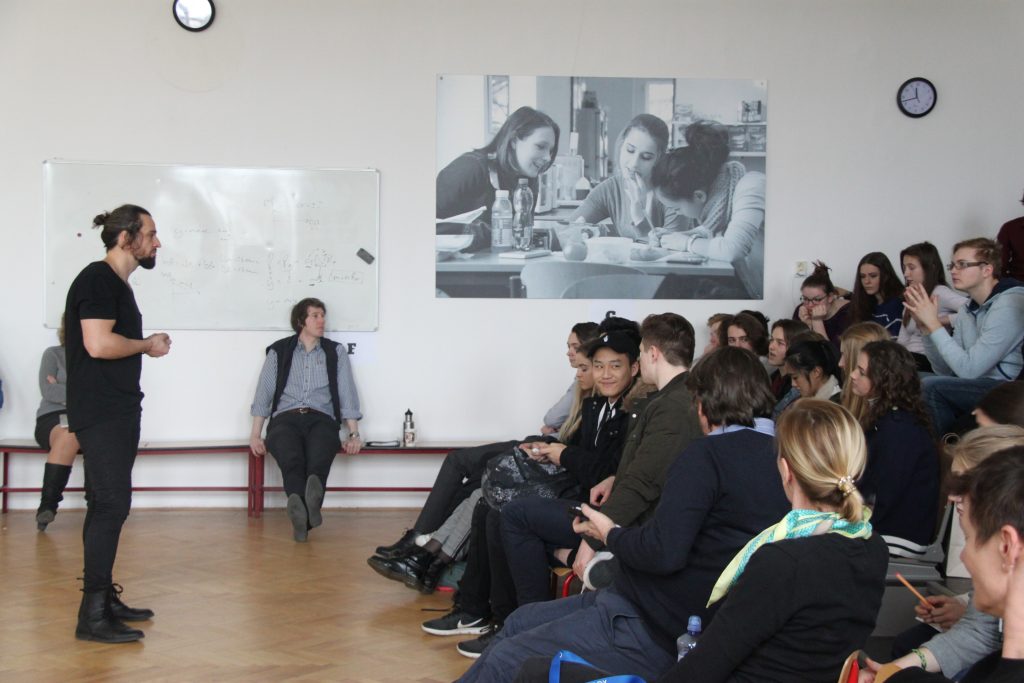
As part of ECP’s regular programme of expert guest speakers, our recent visiting lecturer, Bob Kartous, came into school to speak to students in Years 3 and 4. He edits the Czech language cultural and political internet publication Britské listy https://blisty.cz/.  He has also written for many Czech newspapers including Hospodářské noviny, Lidové noviny and MF Dnes. Since 2012, he has been teaching at the University of Economics and Management in Prague.

Speaking about the media’s influence on politics and society, he described what he called the ‘Post-Truth Era’ we now live in. The internet and social media have been responsible for a substantial change in communications. Mr Kartous encouraged students to challenge the impact all this has had on society, describing social media as ‘the engine of the post-truth vehicle’.

Mr Kartous illustrated his theories by citing the direct impact on our lives of world events such as Brexit, the election of Donald Trump and the migration crises. He speculated on the outcome of the Czech President election.