Subject Trips

:more

Share this article

The English College is an academic school and therefore effective teaching and learning is our priority. Teaching does not take place only in the classroom, but also elsewhere. Almost all Faculties organise educational trips in Prague – as part of Prague Programme – and also around the Czech Republic. This gives students an exceptional opportunity to connect what they have learnt in school with real life situations. 

Czech 

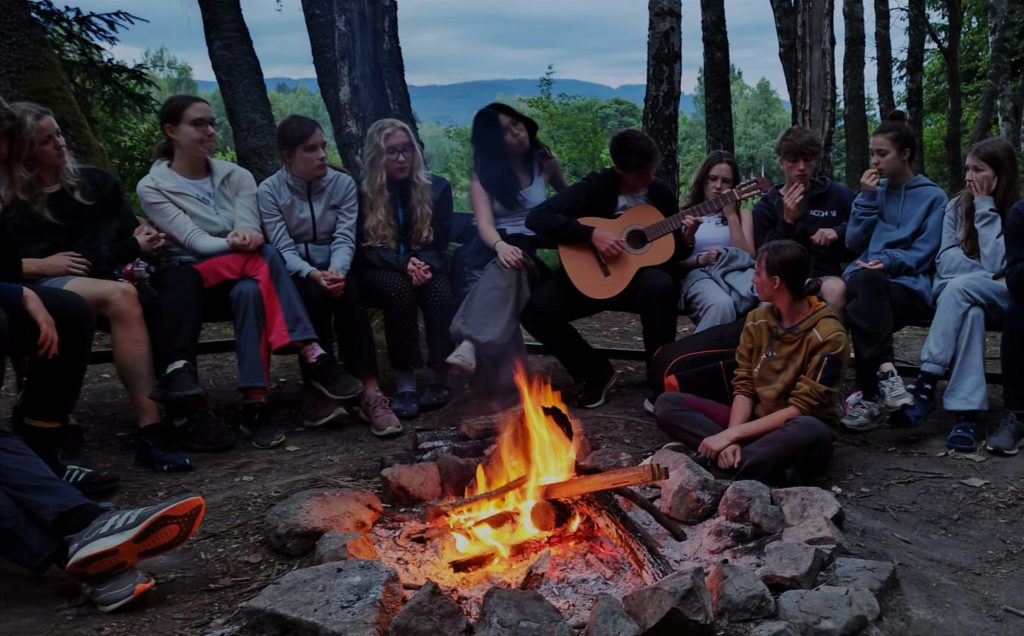
Every year, the Czech Faculty takes students on a literature trip, such as the Mácha or Karel Čapek Trip. Students visit the places connected with the author’s life, read texts written by or about the author; they read their correspondence, but above all, they discuss their unique life stories and the impact of their literary work. Discussions that take place in a beautiful natural setting have a very special flavour and make these trips unforgettable both for students and their teachers.

English

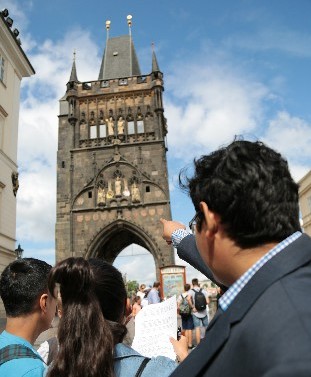
Whilst opportunities for English language and literature trips in Prague are limited, we take Year 1 students to the Old Town to research and produce brochures and guides for tourists.  In October, students from Years 3-5 are invited to travel to the UK to attend the Cheltenham Literature Festival.  Cheltenham celebrates the written and spoken word, presenting the best new voices in fiction and poetry alongside literary greats and high-profile speakers.  It is a fabulous trip which gives students the opportunity to experience the regency spa town of Cheltenham as well as meeting some of the greatest contemporary thinkers and writers. 

Arts 

Various trips and excursions are organised by the Arts Faculty, under the Prague Programme. The faculty makes excellent use of the cultural institutions available in the Czech Republic and further afield. Trips in the Visual Arts have previously included Dresden, Vienna, Venice, Rome, Amsterdam and Paris – allowing students to enrich their cultural appreciation and expand their visual understanding by viewing both traditional and contemporary art forms. 

Modern Languages

The Modern Languages Department organises different culturaltrips every year, usually one for each of the foreign languages we teach:

  • A trip to Russia, normally in Term 1, visited either to Moscow or St Petersburg. It was a largely cultural visit because the students’ language skills were still at an elementary level. Under normal circumstances we would run this trip, however, due to the current climate, it is not possible. We hope this rich experience will be available for students in the future.
  • A German trip to Berlin is organised for Year 3 students every year. This is a mixture of language and cultural activities, with students visiting the key tourist sites in the German capital. They learn a lot about German history, and it complements their studies of the First and Second World Wars as part of their History course.
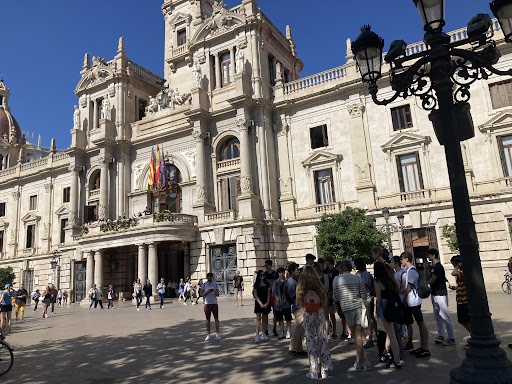
  • ECP has two language exchanges which run during the school year, one for French and one for Spanish. The partner schools’ students visit us in one term and we visit them in Nantes (France)/Valencia (Spain) the next. This is an excellent opportunity for our students to experience life in a French/Spanish family as well as host a student from a country where the language which they are studying is spoken.


Humanities

The Humanities Faculty organises a number of trips each year. These are mostly day trips to local places of interest, such as the annual visit to the Škoda factory, which is run by the Geography Department or our History students’ walking tour of renaissance sites in Prague city centre.


Science

As an integral aspect of both the IB and Pre-IB courses, students monitor, analyse and evaluate conditions in several local ecosystems. They investigate how changing abiotic factors affect the abundance and diversity of local flora and fauna. This helps the development of their knowledge and understanding of human effects on ecosystems and inculcates a wider appreciation of both the fragility and resilience of natural systems. 


:more programme
Exchange

:more

Share this article

Studying foreign languages would not be effective without exploring cultures and countries, where the languages being studied are spoken. Young people naturally love meeting their peers despite the language barriers, which is a good basis for an exchange programme.

For many years we have been organising a French Exchange and we have established a strong relationship with the Lycée Notre Dame de Rezé in Nantes. We have also in the past few years established exchanges with Instituto Velázquez in Seville, Spain and St. Raphael Gymnasium in Heidelberg, Germany. Every year our students spend a week with the Spanish/French/German families and at a different time in the year their students come to Prague and enjoy the hospitality of our ECP families. During the visits, the host school prepares a diverse cultural programme for the students, through which they explore the local region and enhance the intensity of their cultural visit.

:more programme

The Prague Programme

:more

Share this article

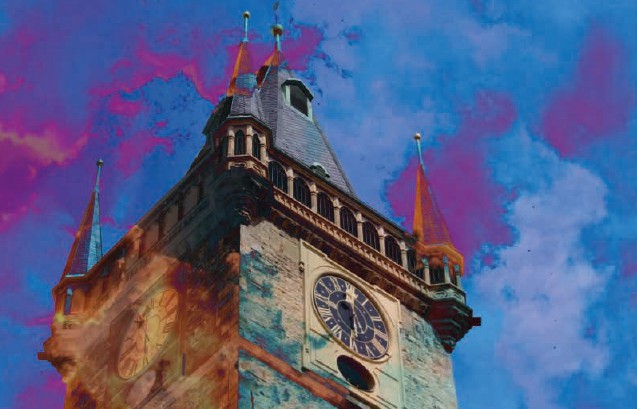
Prague is not only a beautiful city, which is now visited by thousands of tourists, it is also a city where you can see and feel not only the history of the Czech Republic, but also of Europe. King Charles IV made Prague the centre of Europe, founded a university here and built what was then a modern town.

 To artists, Prague is a place of many galleries and amazing art collections of every period. It is a place that can serve as a textbook of architecture. Prague’s museums house collections from every area of knowledge. Its public and botanical gardens are workplaces for academics as well as places for recreation. In other words, Prague offers endless possibilities for exploring and learning.

This is why we established the Prague Programme.  

By the end of their studies at ECP, our students, therefore, know Prague much better and also know a lot about Prague – which, as students of the English College in Prague, they should!

:more programme

Theme of the Year

:more

Share this article

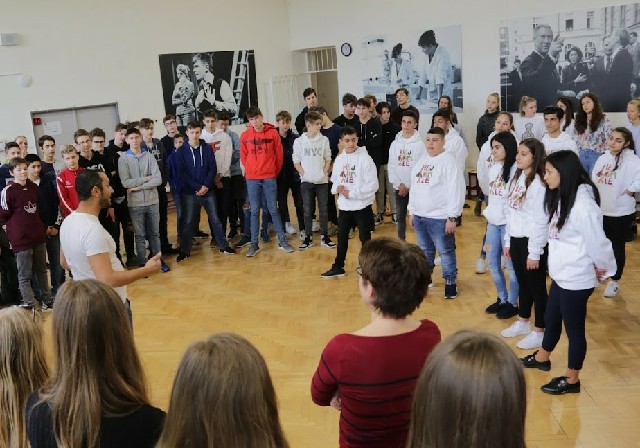
At the end of each academic year, the school community decides on the theme that will be explored throughout the following school year. The theme is reflected in many activities and school events. It appears in the teaching of all subjects, which enables students to observe its complexity. Exploring a particular theme also gives teachers the opportunity to explore cross-curricular connections. 

Departments organise different activities including competitions. The Literary Festival and the very popular Culture olympiad have their main focus on the Theme of the year, which is always a creative challenge for all students. There are also lectures connected with the theme and sometimes even the charities.  

Examples over the years have been Czech/British connections, Internationalism, Nature and the Environment, Technology, Time, Roots, The Star, The Earth, The Dream, The Heart and the Circle.

:more programme

Festival of The Arts

:more

Share this article

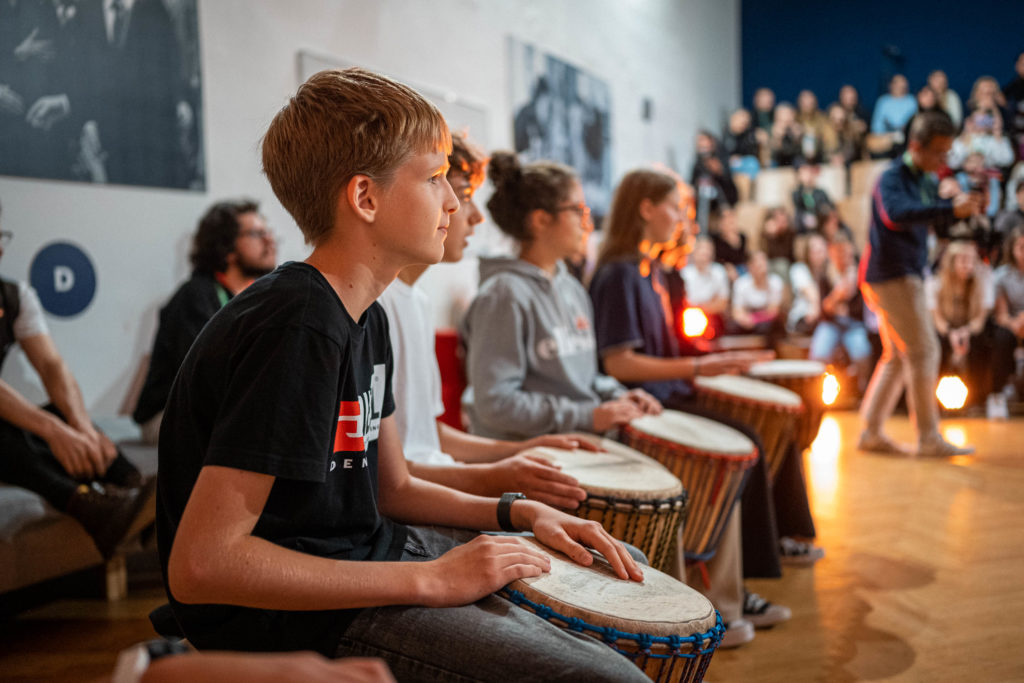
The Festival of the Arts is our way of exposing students to the creative industries whilst building new skills in the visual and performing arts. Running annually, students in Years 1 and 2 take part in various workshops led mainly by external specialists. In recent years, the Festival has expanded to include 10 workshops (for example: Ceramics, Sculpture, Makerspace, Printmaking, Photography, Film, Band, African Drumming, Drama and Dance) for two days. It is an excellent opportunity for students to intensively develop new techniques, connect with other like-minded individuals, and forge new friendships. We advise students to opt for workshops which introduce them to new skills, thus providing a creative and enriching experience.  

At the end of the second day, there is a showcase of each of the workshops alongside an exhibition of Festival art work.


:more programme

Awareness Week

:more

Share this article

During the school year, we explore a range of different themes through our tutor time programme and assemblies. Students have the opportunity to express their opinions and also to learn about various topics, perspectives and ideas through a variety of activities. 


This is the list of awareness week topics: 

  • Leadership
  • Mental Health and Mindfulness
  • The History of the ECP
  • Democracy and Human Rights
  • Families and Healthy Relationships
  • Safeguarding and Internet Safety
  • Technology
  • Diversity and Equality
  • International Environment
  • LGBTQI+ History
  • Nature and the Environment
:more programme

The Lecture and Talk Programme

:more

Share this article

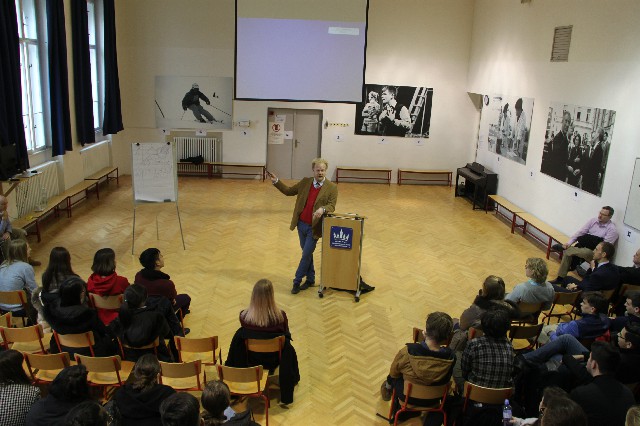
It is very important for young people to meet, at the right time, someone who can inspire them in their lives and be a role model. In order to enable our students to meet a range of interesting people, we organise a Lecture and Talk Programme, which has become an important tradition at the ECP.

Over the years. we have invited into school many specialists in their field – to talk about their professions, projects or just to share their life stories with the students. We are proud that in recent years, former students who have fascinating careers have been amongst the speakers.

There are usually four guest speakers annually and lectures are often connected with the Theme of the Year. Each lecture is followed by a discussion and although the programme is primarily designed for students in Years 4 and 5, students from other years are also welcome to attend if they are interested in the topic. The lectures are also a good opportunity for TOK-style discussions. Students and their tutors discuss the topic before each lecture and then follow it up again after the lecture has taken place.

See the overview of the Lectures and Talk Programme.

:more programme

Work Experience

:more

Share this article

We have an established work experience programme, with the generous support of ECP parents and alumni, that gives students in Year 4 and Year 5 the opportunity to spend time in a professional work placement while they consider their IB choices and career plans. Over eighty students took part in 2025-26, and we are building on this success each year.

We have also recently launched a mentor scheme through the ECF where our Year 4, 5 and 6 students are paired with a member of the ECP alumni to provide university and career guidance in addition to that offered within school.

:more programme

Lecture of Jan Bubeník at The English College

Share this article

30 years of freedom

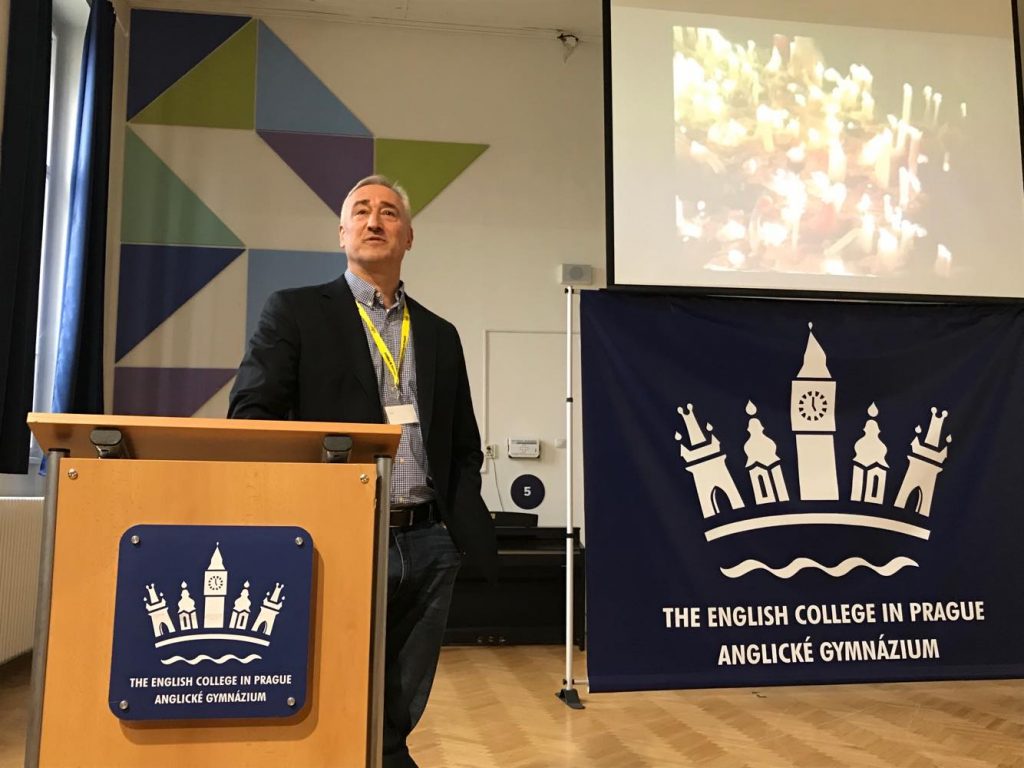
17th November 1989 was undoubtedly an important day in Czech history. After more than 30 years, this event was presented to us by Jan Bubeník, who gave an engaging lecture as one of the most important student activists of the Velvet Revolution. The lecture lasting less than an hour and a half inspired the audience so much that Mr. Bubeník had to leave before he could answer all the interesting questions asked by our students.

Mr. Bubeník described the course of the revolution through his eyes. He told about the clashes between the demonstrators and the police units in which he found himself. Furthermore, the students learned more about Bubeník’s life, such as how he studied medicine at Charles University in Prague, sat in the then House of the People as the youngest member of parliament, studied in the United States, etc.

It was obvious that most students were interested in this history. The lecture went very well and most of the students surveyed had nothing but words of praise for Mr. Bubeník.

Michal Vu, Year 4 student


Share this article

Matthew Jarvis

Teacher of Mathematics

Matt Jarvis is British and grew up in the East Midlands. He graduated from the University of Wales, College of Cardiff in the 1980s where he studied Mathematics, Computing and Statistics. After doing voluntary work in Northern Ireland, he completed his PGCE at Loughborough University. He has taught Mathematics since 1991 – in England, Kuwait and Oman. Matt arrived in Prague in 1998. In his spare time, he enjoys spending time with his family, reading, researching his family tree, learning Czech, programming, listening to fiddle music, running and cycling.