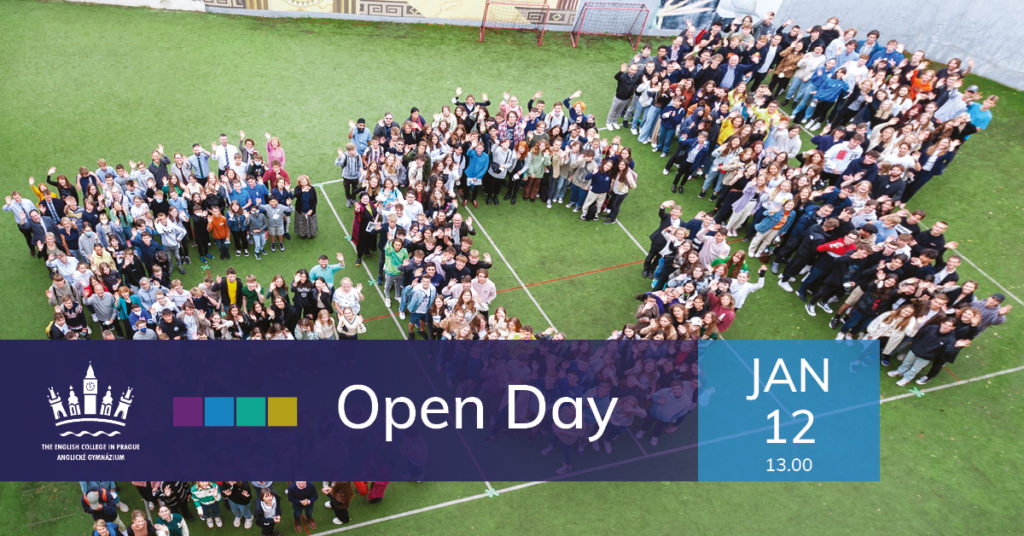
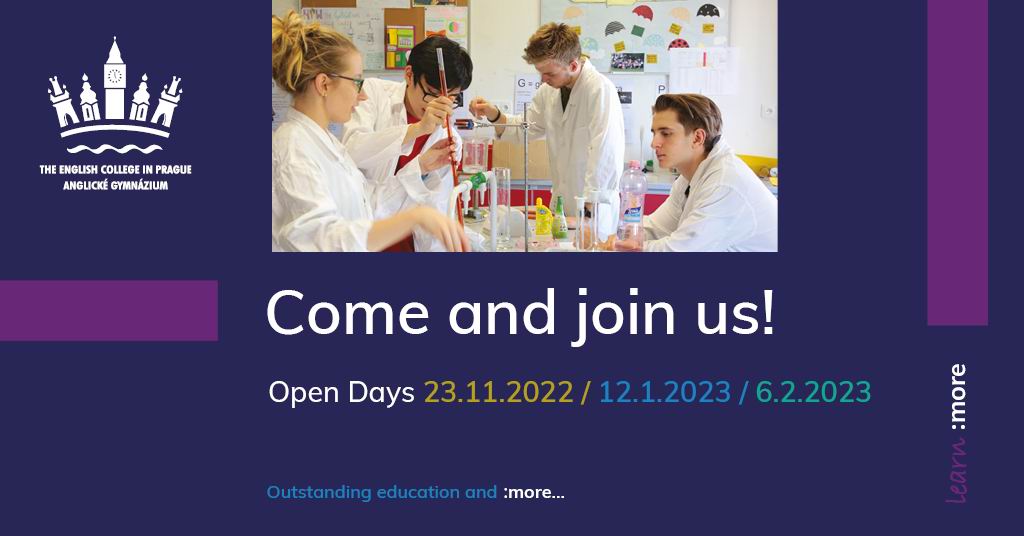
You are very welcome to visit one of our Open Days that are taking place throughout this school year.
Thursday 12th January 2023
Monday6th February 2023
The Open Day at the English College in Prague is a unique opportunity to experience firsthand the atmosphere at the school. Prospective students can participate in demonstration lessons while their parents have an opportunity to meet the Headmaster, Dr Nigel Brown, teachers and the Admissions Registrar, Mrs Stanislava Jirešová, who coordinates the admissions procedure and can offer detailed information about the entrance exams.
Open Day Programme for 12th January 2023:
13.00
Start of Open Day
13.00 – 14.15
Individual tours of the school for visitors guided by ECP students
14.00 – 14.20
Admissions session with the Registrar
14.25 – 15.10
Panel discussion for parents with the Headmaster and staff
NOTE: Parking is available at the Galerie Fénix shopping mall car park.
As our Open Days are an important part of our school year, we like to take photographs during the afternoon and may use some of them in our displays or in marketing and other publications. If you do not wish you or your child to appear in our photographs, please tell our photographer and we shall, of course, respect your wishes.
The English College in Prague has just published a new issue of The ECP Newsletter.
Read a new issue of the ECP newsletter. It brings information about new staff, start-of-year and DofE trips, sports events, Cheltenham Literary Festival and so much more. You can access the newsletter via this link.
Summary:
HM’s message
News
New staff
Trips
Sports at ECP
Student activities
Book Talk
Arts
ECPN
You can look at the archive of ECP newsletters here.
You are very welcome to visit one of the 3 Open Days that are taking place throughout this school year.
Wednesday 23rd November 2022
Thursday 12th January 2023
Monday6th February 2023
The Open Day at the English College in Prague is a unique opportunity to experience firsthand the atmosphere at the school. Prospective students can participate in demonstration lessons while their parents have an opportunity to meet the Headmaster, Dr Nigel Brown, teachers and the Admissions Registrar, Mrs Stanislava Jirešová, who coordinates the admissions procedure and can offer detailed information about the entrance exams.
Open Day Programme for 23rd November 2022:
13.00
Start of Open Day
13.00 – 14.15
Individual tours of the school for visitors guided by ECP students
14.00 – 14.20
Admissions session with the Registrar
14.25 – 15.10
Panel discussion for parents with the Headmaster and staff
NOTE: Parking is available at the Galerie Fénix shopping mall car park.
As our Open Days are an important part of our school year, we like to take photographs during the afternoon and may use some of them in our displays or in marketing and other publications. If you do not wish you or your child to appear in our photographs, please tell our photographer and we shall, of course, respect your wishes.
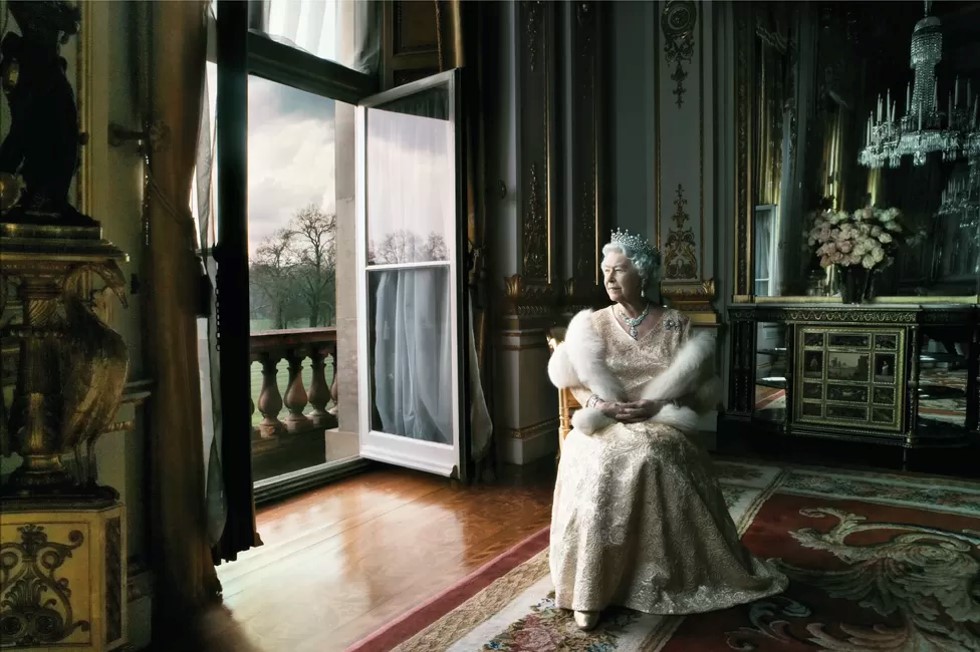
Dr Brown led a special assembly this morning to remember HM Queen Elizabeth II. Here is an edited version of his address:
Queen Elizabeth was on the throne for 70 years, from 1952 to 2022, and I want to spend a few moments reflecting on her extraordinary life and the extraordinary role of a monarch. Her uncle, King Edward VIII, abdicated in 1936, which meant that her father unexpectedly became King George VI and Elizabeth became heir to the throne, at just 10 years old.
The Young Elizabeth
Princess Elizabeth and her younger sister, Princess Margaret, didn’t go to school, but were educated at home like many girls from wealthy families in those days. She was taught French by French and Belgian governesses and when her father became King, she was taught law and constitutional history to help her prepare for her future role as Queen. She also received religious instruction from the then Archbishop of Canterbury, which proved important in preparation for her role as Head of the Church of England. Her Christian faith was very important to her throughout her life.
The War Years
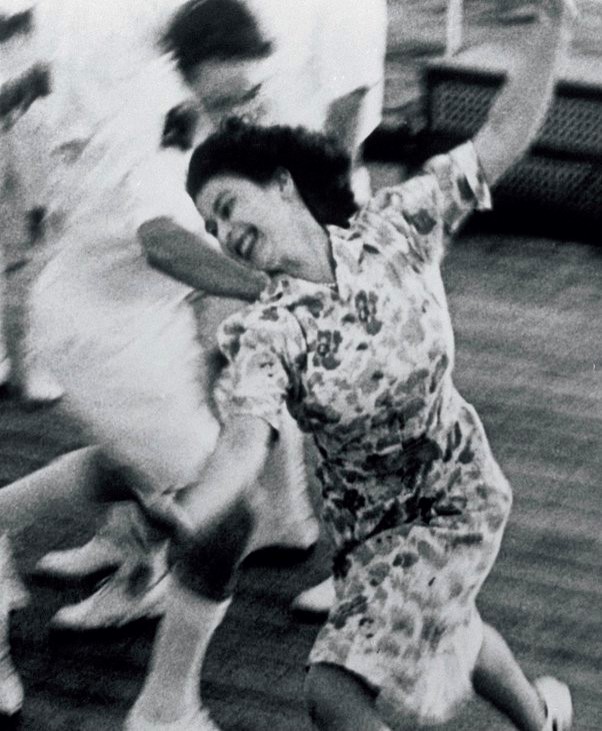
Then in 1940, at the height of the German bombardment of London, the princesses Elizabeth and Margaret were evacuated to Windsor Castle, where they spent most of the war years. Elizabeth trained as a truck mechanic in the Auxiliary Territorial Service and there are stories of how, at the end of the war, on VE Day, when the whole of Europe was celebrating the Allies’ victory over Nazi Germany, she secretly sneaked out of Buckingham Palace and danced in the streets with the crowds, who were shouting “We want the King.”
Royal Collection Trust
The Royal Couple
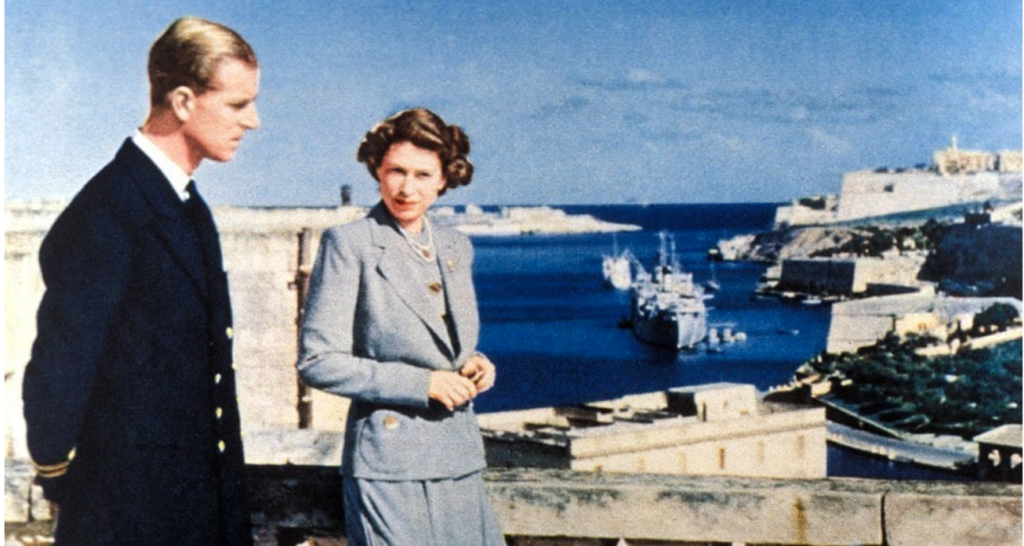
Then, like many young people, she fell in love. Prince Philip was a handsome naval officer and after their marriage in November 1947, he and Princess Elizabeth lived in Malta. Our teacher, Ms Vella, is from Malta and she tells me that Malta is the only place, other than the UK, where the Queen lived. It was in the early days of her marriage to Prince Philip, who later became the Duke of Edinburgh and who started the Duke of Edinburgh’s Award scheme, which many of our students take part in.
This was a very happy time for the Royal couple, when they used to drive around the island in a Morris car and Princess Elizabeth was able to use money for the first and last time because as Queen, she never used money. In fact, they loved Malta so much that they went back in 2007 to celebrate their 60th wedding anniversary.
Image_ GETTY
Her Royal Highness Princess Elizabeth becomes Her Majesty Queen Elizabeth II
Back to 6 February 1952 and the death of Princess Elizabeth’s father, King George VI. He died very young and was only 56, two years younger than I am now. Despite being in Kenya at the time, Elizabeth ascended to the throne immediately – the British system is all about stability and continuity – which is why Prince Charles is now King Charles III, without a coronation having to take place. She returned immediately to London and although her coronation was not for another year, her life had already changed forever.
What power does the British monarch have?
The UK is a Constitutional Monarchy, with historical conventions, customs and traditions. The monarch has no actual political power although he or she does appoint our Prime Ministers, open Parliament each year and approves laws.
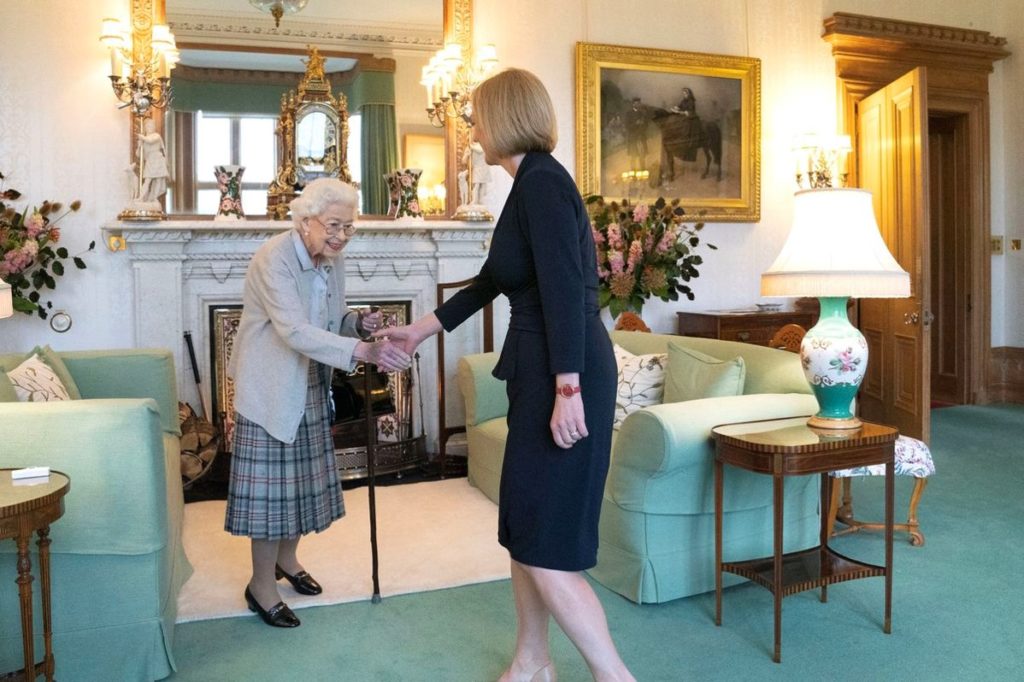
I looked at the long list of the Prime Ministers the Queen knew in her long life. There were 15 of them, from Sir Winston Churchill to Liz Truss, who she formally appointed at Balmoral only two days before she died. If you look at the dates of birth of those 15 Prime Ministers, they were born just short of 101 years apart so the Queen’s reign spanned over a hundred years of our history.
Andrew Milligan_Pool_EPA-EFE_REX_Shut
The State Opening of Parliament
When Queen Elizabeth opened Parliament each year, she read out the Queen’s Speech – which will now become the King’s Speech – but although it was called the Queen’s Speech, it was written for her by the Government, setting out the laws they wanted to introduce that year. Until recently, the Queen wore a long white satin gown at the State Opening of Parliament and her ladies-in-waiting wore special sashes not too dissimilar to those you will wear at the graduation ball.
Every law passed by the British Parliament has to receive the Royal Assent – the last time a monarch refused to approve a law was in 1707, when Queen Anne refused to send troops to Scotland.
So really, the British Monarch has no actual power. But they do have influence. They are consulted by politicians and both encourage and warn those elected to govern the UK.
They also receive very many letters from members of the public and the children of one member of the ECP’s staff wrote to the Queen because they were worried about animals in the zoo being lonely and received a very kind and reassuring response.
Personal memories of the Queen
My own memory of the Queen is a little embarrassing as when I was young I conflated the idea of my own grandmother and the Queen. I think it was because they both wore tweed skirts and loved Scotland. That’s not to say that I thought I was royalty, but that the Queen seemed to me to be someone who cared for us and someone who you wouldn’t want to disappoint. The fact I always saw both of them at Christmas – the Queen always makes a speech on television on Christmas Day – muddled my young brain even more.
Queen Elizabeth in Prague
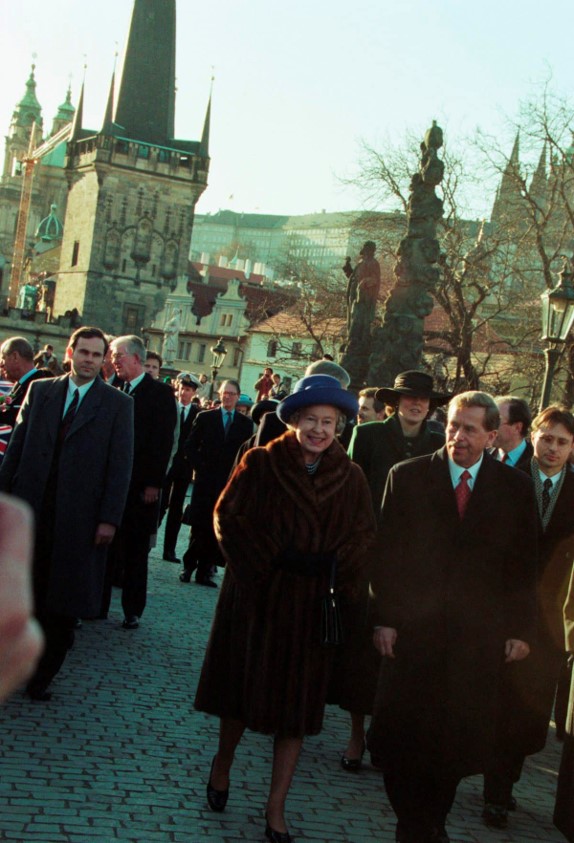
By the end of her reign, the Queen had visited 116 countries including, of course, the Czech Republic in 1996, when she toured Prague and Brno. At the dinner held in her honour at Prague Castle, she talked about her hopes that the Czech Republic would join the European Union and NATO. They seem like very distant days now as while this country is now a member of these institutions, the UK has left the EU.
Photo by John Stillwell
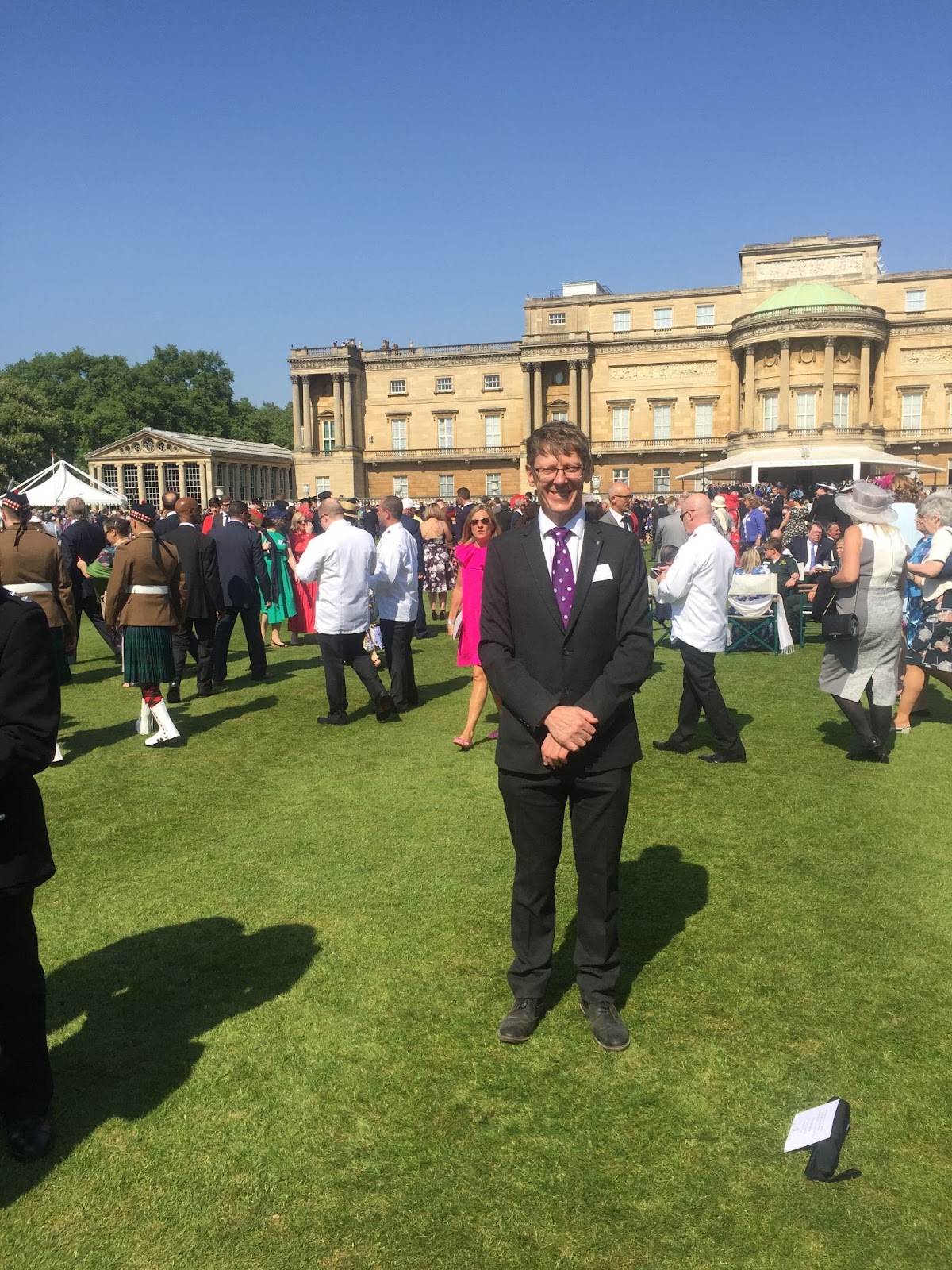
Two years later, President Havel went to Buckingham Palace and in 2018, I was lucky enough to be invited to a Garden Party at Buckingham Palace where I was just one of 6000 people from more than 600 charities and organisations supported by the Royal Family. Not all people support the monarchy and some feel it is an outdated institution – a legacy of the past that sustains divisions in society – but it was a reminder that whatever your view of the monarchy, the Royals have always supported good causes – one of which is our school.
Dr Brown at Buckingham Palace
70 years of unwavering service
I now want to return to the idea of service: Queen Elizabeth was a human being who was propelled into an extraordinary life, one that, with her sense of honour and commitment, she had no choice over, but one that she lived as well as she possibly could. For many, she provided stability and certainty and she will be greatly missed.
As you know, one of our two Founder Patrons has been the Queen’s eldest son, Prince Charles, who is now King Charles III, and I would like to publicly send the school’s condolences to him. I will be going to the British Embassy this week to sign their Book of Condolence on the school’s behalf. We will also have our own Book of Condolence in school and if you wish to sign it, please go to the reading room any lunchtime this week
The last Queen of England in our lifetimes
It was only in 2013 that females were given equal rights to succeed to the throne, when the Succession to the Crown Act was passed, but it is a sobering thought that we will not see a Queen again in our lifetimes. We now have King Charles III, who will be succeeded by his son, as King William, and then by King George although he is only 9 today. William’s daughter, Princess Charlotte, is 4th in line to the throne, but it is likely that George will have had children himself by then.
The Queen’s long reign reminds us of the passage of time. There is a story that someone used to hold back the hands of Big Ben if the Queen was running late, as Kings and Queens are never late. However, whoever we are, we all grow up, live our lives and grow old and it is important that we all make the most of our time here. For me, I think Queen Elizabeth II did a pretty good job.
The English College in Prague has just published a new issue of The ECP Newsletter.
Read a new issue of the ECP newsletter. It brings information about student achievements, the Graduation Ceremony, June trips and DofE expeditions and so much more. You can access the newsletter via this link.
Summary:
HM’s message
Student successes
Graduation Ceremony
News
Trips
Events
DofE expeditions
Student activities
Book Talk
Arts
ECPN
You can look at the archive of ECP newsletters here.
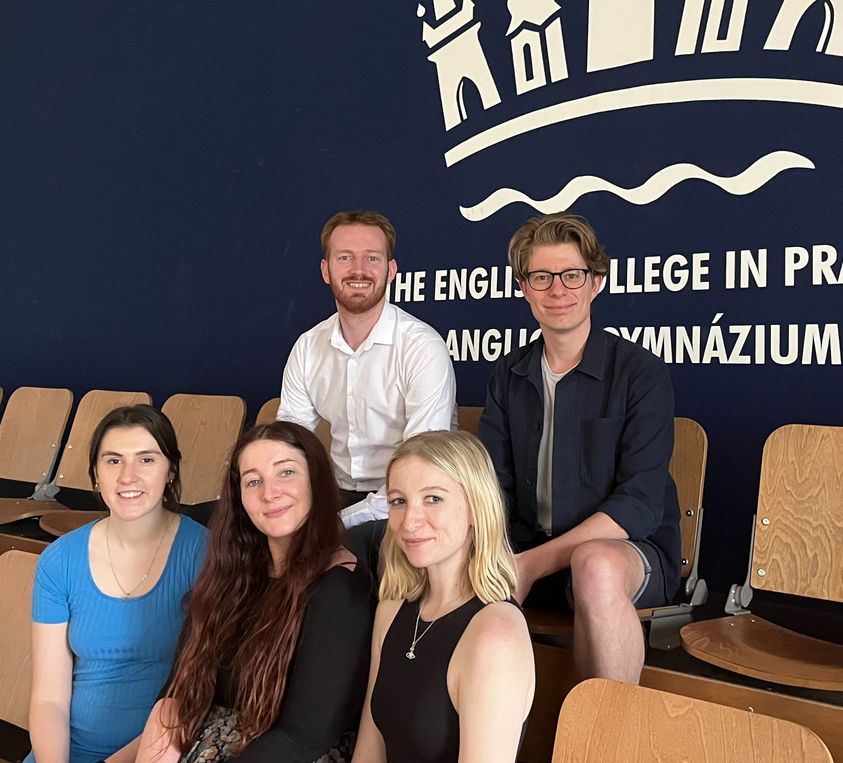
This term The English College welcomed six UK teacher trainees into our community, the first to join us since we established Teaching Together in Europe (TTE). This is a consortium of two UK pedagogical training centres and three top European Council of British International Schools (COBIS).
Teaching Together in Europe
Along with the British School of Brussels and St George’s British International School in Rome, The ECP offered UK teacher training placements in April and May with robust instructional programming and mentoring by our skilled teachers. ECP Programme Co-Coordinator and Lead Mentor Daniel Ibbitson said the scheme is highly beneficial. “The TTE further solidifies ECP’s links to the UK as well as our European partners. Hosting the next generation of teachers in our classrooms brings a positive wave of energy and new ideas to our faculties,” he noted.
The trainees, from the Pennine Lancashire and Nottinghamshire TORCH School-Centered Initial Teacher Training (SCITT) providers, spent a week observing lessons and then led classes themselves under the close guidance and care of ECP staff. They delivered on topics from Gothic literature to composite functions. They relayed they felt professionally enriched by the experience. “It’s been a terrific opportunity to experience a different way of teaching your own subject… the amount of different methods I’ve seen in teaching here has been amazing,” said Marcus Garnham, a Physics trainee.
Likewise, History trainee Elizabeth Barnett said she’d take away “just the courage and creativity from each of the classes; that’s something I’ll be able to bring back to England.”
ECP students
ECP students were often cited by the trainees as being especially commendable. Geography trainee Charlotte Morris appreciated being able to “have conversations about topical things and sensitive issues.” Furthermore, the Maths trainee Jack Jones enjoyed “being able to stretch his own subject knowledge.” He added that bringing content even from his own degree to use with the IB students had been really refreshing.
— Emily Rankin, Ed.S., FCCT (@TeachRankin) May 20, 2022
Along with observing and teaching lessons under the tutelage of Mr Tognini, Dr Athwal, Dr Young, Mr Cossins, and Mr Ibbitson, the trainees attended sessions on topics like Using Data to Aid Learning; Cultural Context and Sensitivity; and the International Baccalaureate’s (IB’s) Philosophy. They also took part in school events like our Graduation Ceremony at Betlémská Kaple. In addition, they travelled to parts of Czechia such as Národní park České Švýcarsko.
Future of education
Deputy Head Emily Rankin hopes the international connectedness of the experience will foster knowledge, empathy and collaborative critical thinking: “We should be working across systems and borders to develop these symbiotic competencies in our future teachers; they have the power to shape a more equitable and just society.”
Many thanks to The ECP community who welcomed our UK counterparts. Thanks go also to the trainees for such a positive first year of our innovative new TTE programme. It is the first of its kind in Europe!
“The opportunity to engage with the IB curriculum and to work with knowledgeable, experienced and passionate practitioners within an international context, has been a truly enriching and inspirational experience,” reflected English trainee Eliza Richardson. “I very much look forward to weaving everything I’ve learned into my own pedagogical practice.”
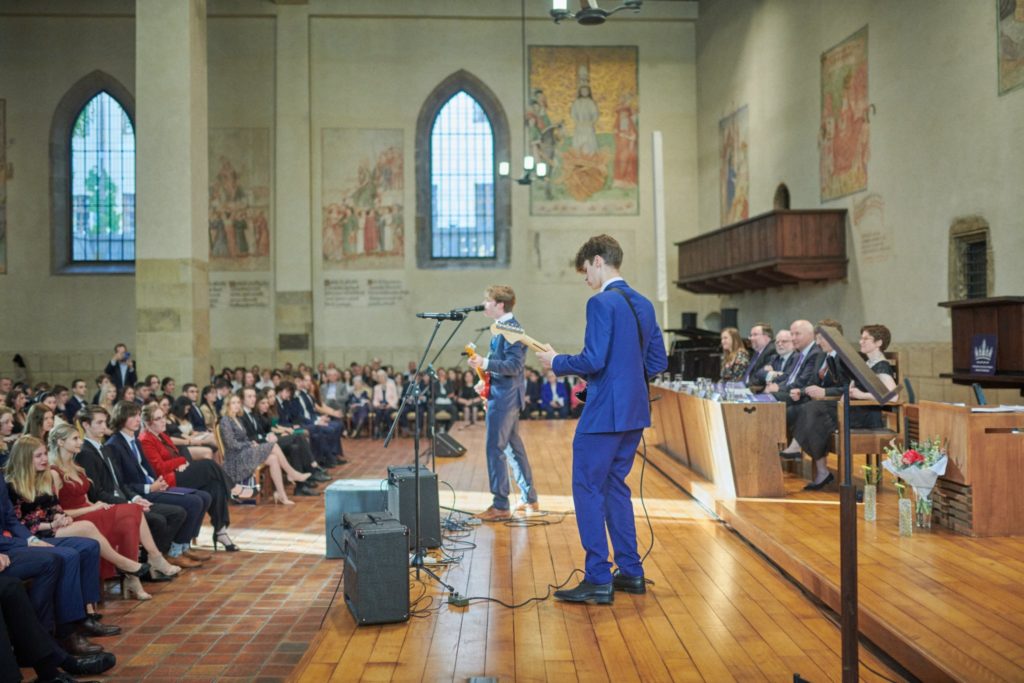
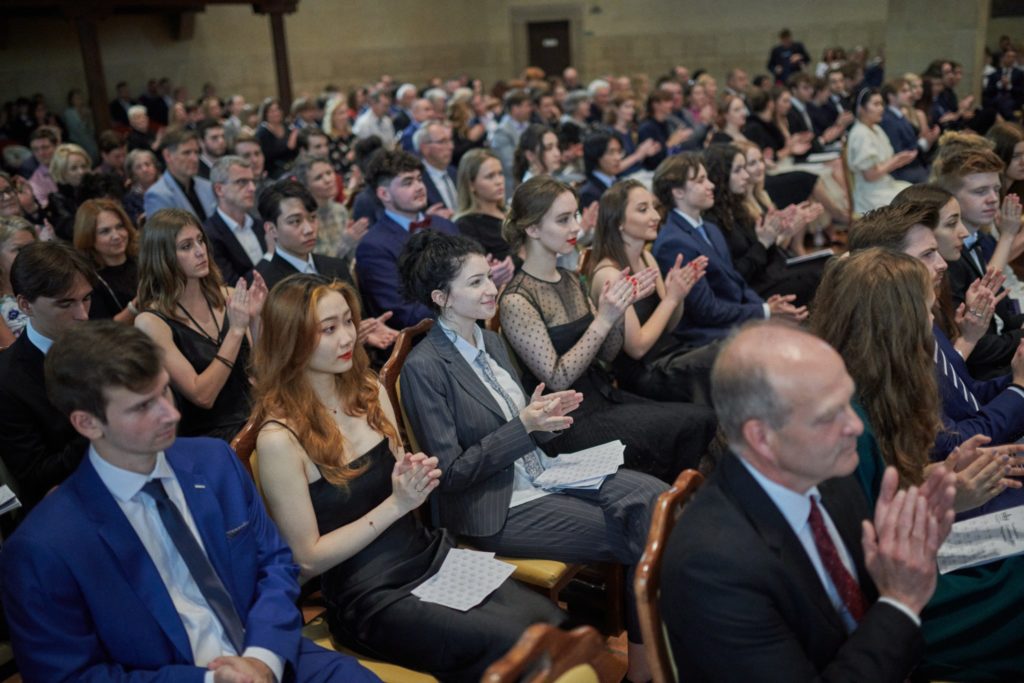
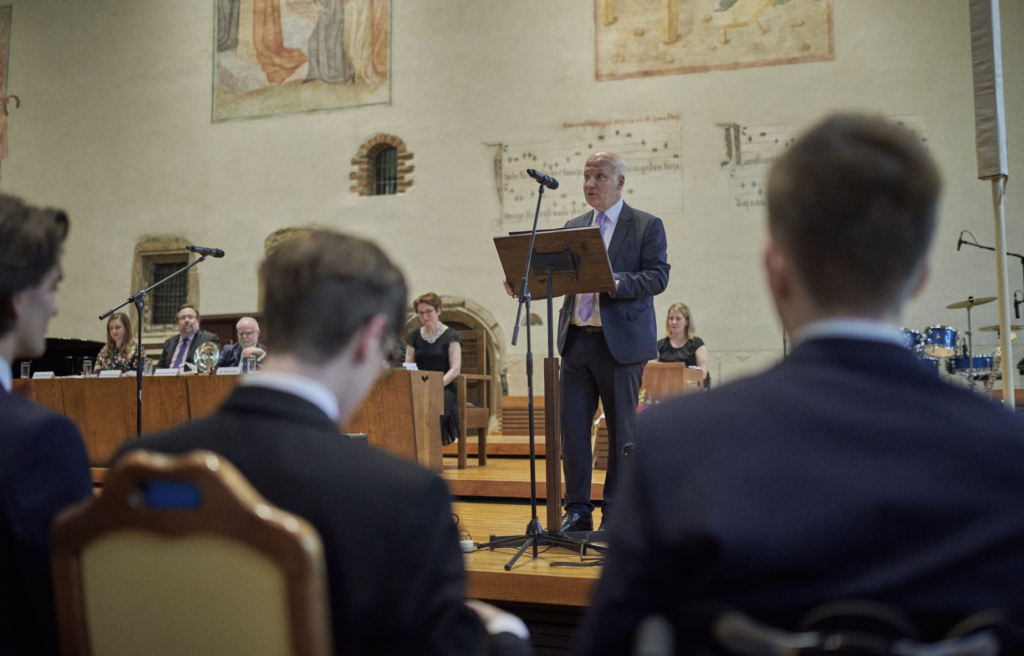
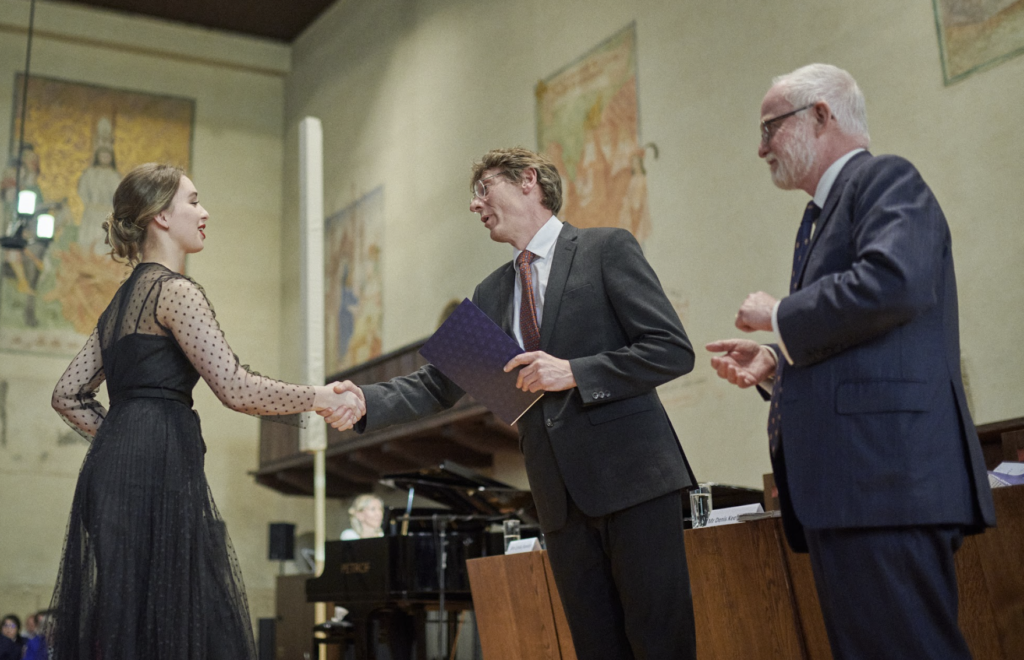
It was fantastic to be back in Betlémská kaple for the Class of 2022’s graduation ceremony. The school band was a great addition to proceedings!
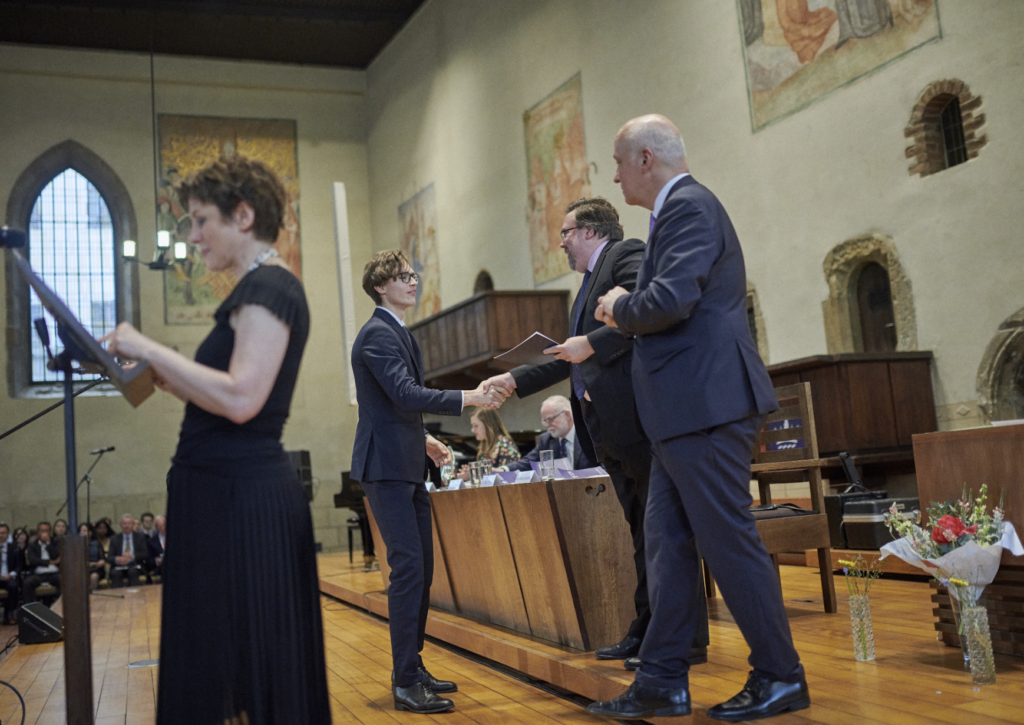
The ECP Graduation Ceremony serves two purposes: Graduates with outstanding achievements in both academic and co-curricular work during their IB studies are awarded prizes and all Graduates of 2022 are presented with their graduation certificates.
Senator Pavel Fischer delivered a speech as the Guest of Honour. He also congratulated prize winners.
Additionally, this year we were very honoured that the new Karel Schwarzenberg Prize for History was presented for the first time. This prize goes to a student who has shown exceptional interest in the history and spirit of European development. The prize recognises the ability to appreciate European heritage and to be able to analyse history and make connections with the current political scene. Michael Balamotis became the first holder of this prize.
Apart from subject prizes, there were also prizes for special achievements.
THE CHAIRMAN OF GOVERNORS’ PRIZE FOR ACADEMIC ACHIEVEMENT
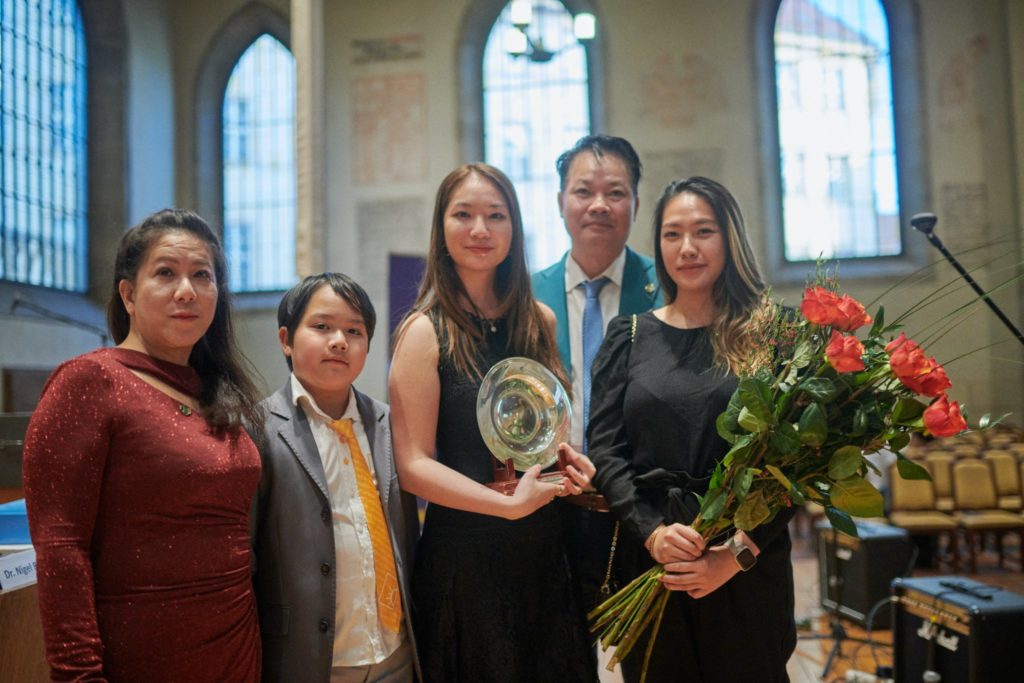
This prize was awarded to Sabina Phanová: “In terms of report grades and predicted IB marks, Sabina is at the top of her class. She works diligently with teacher and peer feedback to improve her performance on assessments; if she is not pleased with how she performed on a paper, she will ask to redo it until she achieves an exemplary result. Her easy-going demeanour camouflages a forceful drive to do her best; she is simply relentless in honing her skills and knowledge. Sabina’s academic outcomes are a testament to her unflagging work ethic.She is also determined to stretch herself and achieve her fullest potential.”
Sabina Phanová with her family
The LORD HOLME PRIZE FOR SERVICE TO THE COMMUNITY
Congratulations to Tomáš Nepala: “Tomáš is an active member and outstanding Vice President of the Student Council as well as a mentor to two Year 1 students. He has engaged very strongly with the school community and worked hard to bring everyone closer together during the pandemic. Tomáš cares about the world around him and has a genuine interest in making it better. He always seeks peaceful solutions to every conflict and is extremely kind and supportive of his fellow students. Tomáš worked very hard in support of the Tereza Maxová Foundation. In addition, he coordinated Dostupné Doučování, where a team of about sixty volunteers support socially disadvantaged students with remote learning.
A strong believer in financial literacy, he also launched a website, PlanetFinance, to educate individuals and help them develop the skills and knowledge. His aim was to enable them to make informed decisions about their finances. These projects encapsulate Tomáš’s personality perfectly: he cares about others and he is ready to use his initiative to find ambitious solutions to problems.”
Tomáš Nepala
HEADMASTER’S PRIZE FOR THE SERVICE TO THE COMMUNITY
Olga Kosjakova became the holder of this prize: “Olga is a wise young woman and shows maturity and understanding of complex issues beyond her years. In lower school, she produced assemblies and resources related to mental health. She did that by engaging with the PSME programme and by talking to year groups about recognising a potential decline in one’s mental health and wellbeing. Since then, she has continued to be very active in the background – not stopping at all, despite being in lockdown for almost two years of her ECP career. Last summer, she organised the production and sale of items to support the topic of mental health again. She is an unofficial adviser to many of her peers and she is a well-deserved recipient of this award.”
Olga Kosjakova
Here is a video from the event:/Zde je krátké video z akce:
Congratulations to successful candidates! Letters of acceptance and further instructions will be sent by registered mail shortly. / Blahopřejeme úspěšným kandidátům! Rozhodnutí o přijetí a další instrukce budou v nejbližší době zaslány doporučenou poštou.
Congratulations to successful candidates! Letters of acceptance and further instructions will be sent by registered mail shortly. / Blahopřejeme úspěšným kandidátům! Rozhodnutí o přijetí a další instrukce budou v nejbližší době zaslány doporučenou poštou.
Accepted after the first round of entrance exams to Year 1 from 19-20 April and 25 April, 2022 / Přijatí po 1. kole přijímacích zkoušek z 19.-20.4. a 25.4.2022: